

This is my tried-and-true recipe for baking lemon ricotta cookies in the oven. With just a few ingredients including creamy ricotta cheese and fresh lemon zest and butter you get incredibly soft and fluffy cookies with a bright citrus flavor and a sweet lemon glaze. It’s pure comfort baking and the kind of dessert that makes the whole kitchen smell incredible.
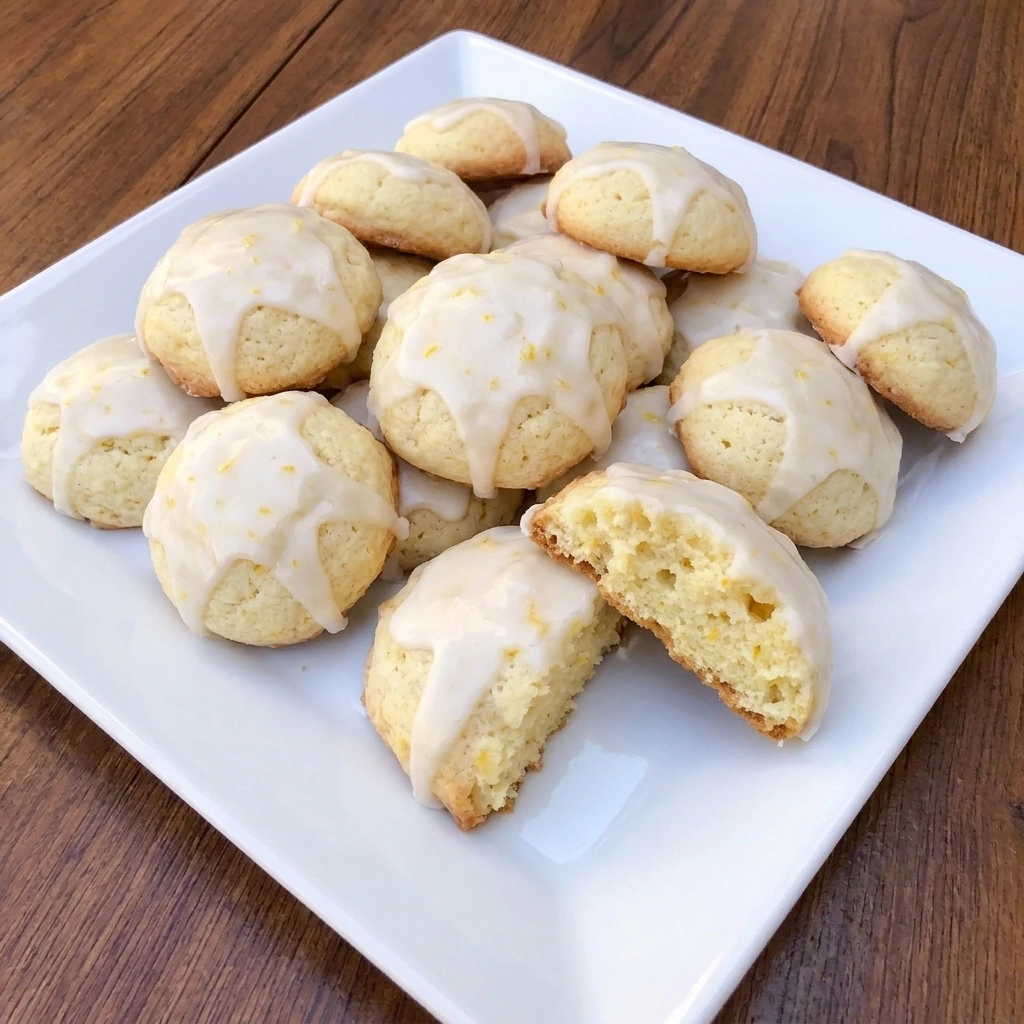
What I love most about this recipe is how minimalist it is without complicated techniques or special ingredients and still it turns out unbelievably tender and delicious. Simple ingredients let the fresh lemon flavor shine. Every time I make these for friends or family they’re gone before I can even get a second helping!
These cookies are especially lovely for holiday gatherings and spring brunch celebrations because they feel light and fresh without being overly sweet. If you’re planning a special brunch spread then try serving them alongside my Sausage French Toast Roll-Ups for an easy combination of sweet and savory favorites.
Ingredients
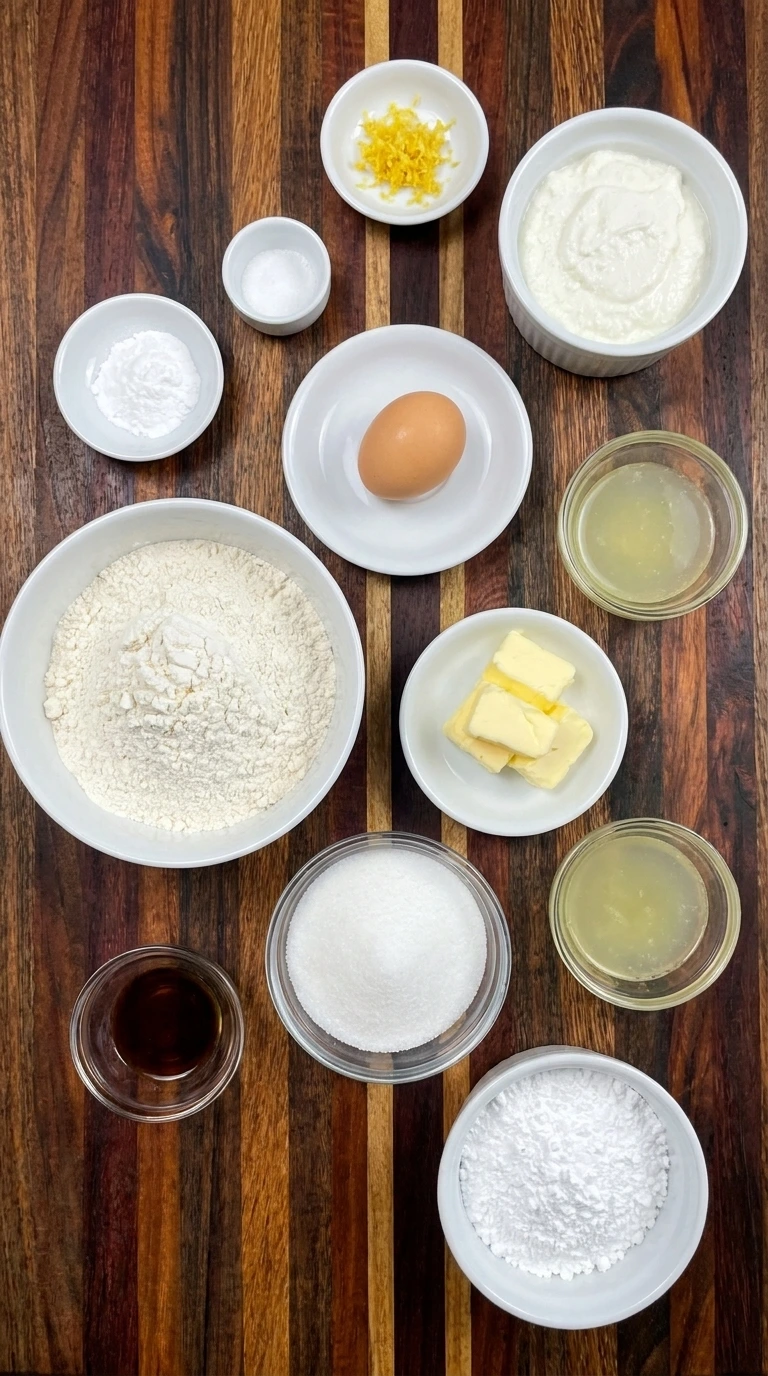
Here is what I use for this recipe :
- All-purpose flour: Provides the structure needed to hold the soft cookie dough together while keeping the baked cookies tender and slightly cake-like.
- Whole milk ricotta cheese: Adds moisture and creamy richness to the dough while creating the signature fluffy texture that makes lemon ricotta cookies different from traditional butter cookies.
- Unsalted butter: Creates a rich buttery flavor and helps the cookies develop a tender crumb while allowing the fresh lemon flavor to remain noticeable.
- Granulated sugar: Sweetens the cookie dough and helps the butter become light and fluffy during mixing while balancing the natural tartness of the lemon.
- Large egg: Binds the wet and dry ingredients together while contributing moisture and structure so the cookies rise gently and hold their shape.
- Fresh lemon zest: Provides concentrated citrus oils that give the cookies their fresh lemon aroma and naturally bright flavor without adding excess liquid.
- Fresh lemon juice: Adds fresh citrus acidity to the dough and creates a tangy glaze that complements the sweetness of the finished cookies.
- Vanilla extract: Adds a gentle warm flavor that balances the sharp citrus notes and enhances the sweetness of the cookies.
- Baking powder: Provides the leavening needed to make the cookies rise into soft rounded mounds with a light and fluffy interior.
- Fine salt: Balances the sweetness and strengthens the overall flavor while preventing the buttery cookie dough from tasting flat.
- Powdered sugar: Forms the smooth white glaze that settles over the baked cookies and creates a delicate sweet coating after setting.
Tools I Use :
- Large mixing bowl: Holds the butter and sugar and wet ingredients while providing enough room to mix the cookie dough without spilling.
- Medium mixing bowl: Allows the flour and baking powder and salt to be combined evenly before being incorporated into the wet ingredients.
- Electric hand mixer or stand mixer: Creams the butter and sugar into a fluffy mixture and helps incorporate the ricotta and egg evenly.
- Rubber spatula: Scrapes the sides of the bowl and gently folds the dry ingredients into the cookie dough without excessive mixing.
- Measuring cups and spoons: Provide accurate quantities of flour and sugar and lemon juice and other ingredients for consistent cookie texture.
- Fine grater or citrus zester: Removes the fragrant yellow outer peel of the lemon without including the bitter white pith.
- Small cookie scoop: Portions the sticky cookie dough into similar amounts so the cookies bake evenly while retaining natural differences in shape.
- Baking sheets: Support the portioned cookie dough during baking and allow enough spacing for the cookies to rise gently.
- Parchment paper: Prevents the soft cookies from sticking to the baking sheets and makes transferring them easier.
- Wire cooling rack: Allows air to circulate around the baked cookies so they cool evenly before the lemon glaze is applied.
- Small glaze bowl: Provides a separate container for mixing powdered sugar with lemon juice until the glaze reaches the correct consistency.
- White serving plate: Displays a finished cookie portion and makes the soft interior and delicate lemon glaze easy to see.
Instructions
Step 1: Cream the butter and sugar with lemon zest
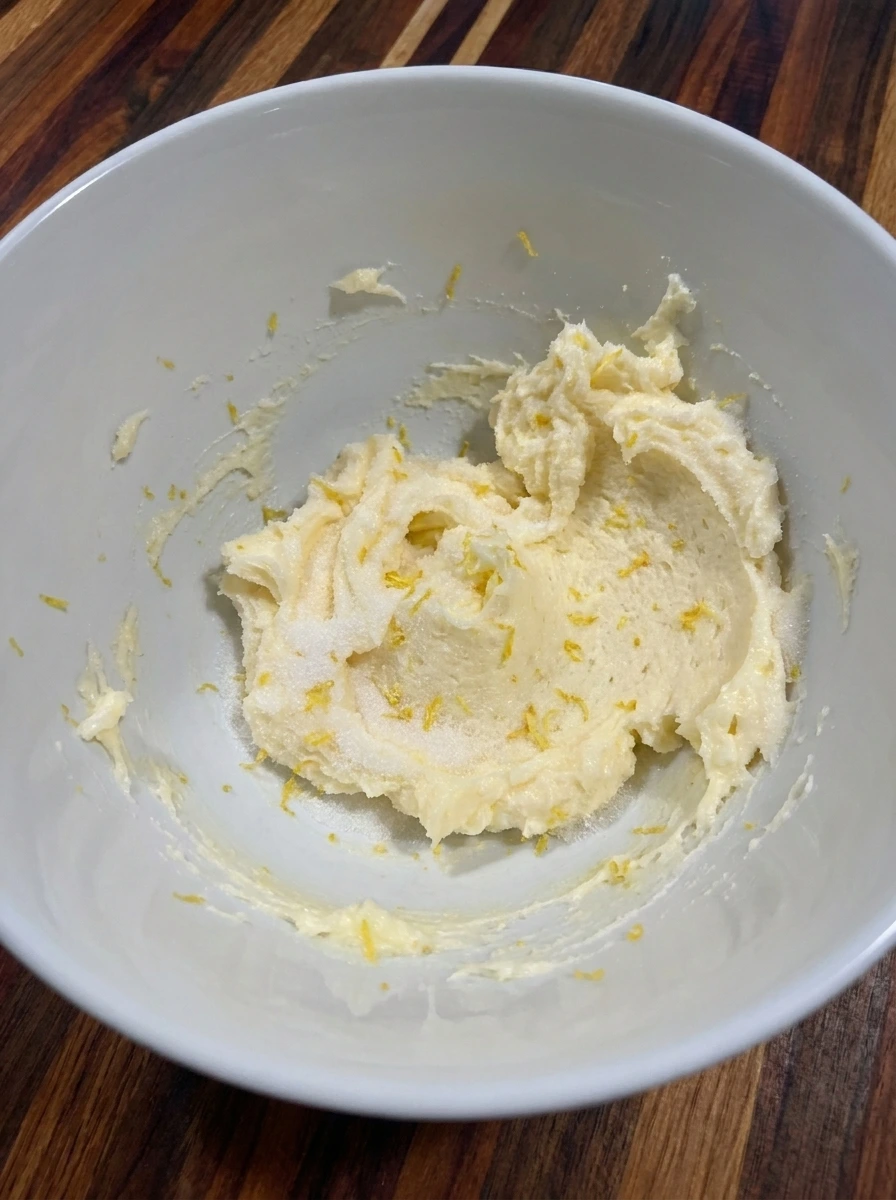
Place the softened unsalted butter and granulated sugar into a large mixing bowl. Add the freshly grated lemon zest and beat everything together for approximately 2 to 3 minutes until the mixture becomes lighter in color and noticeably fluffy. As the butter and sugar combine the mixture should change from separate ingredients into a soft creamy mass with tiny yellow flecks of lemon zest scattered throughout. The lemon zest releases its fragrant oils into the butter while the sugar helps create a light base for the cookies.
Tip: Make sure the butter is softened but not melted because overly warm butter can cause the cookies to spread too much during baking.
Step 2: Mix in the ricotta cheese and wet ingredients
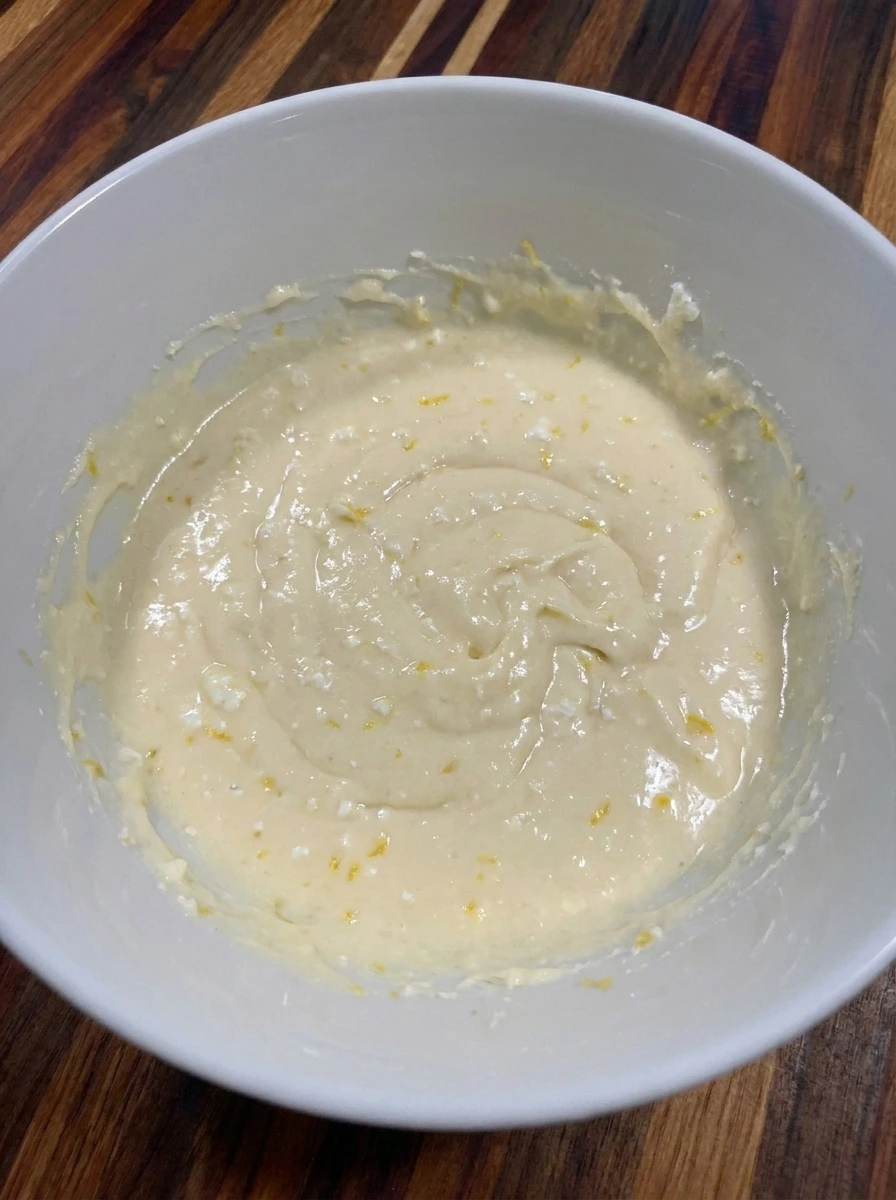
Add the whole milk ricotta cheese and the large egg to the creamed butter mixture. Pour in the vanilla extract and 2 tablespoons of fresh lemon juice before mixing on low speed until the ingredients are evenly combined. The mixture will become noticeably softer and creamier as the ricotta blends with the butter and sugar. Small ricotta curds may remain visible and the mixture can look slightly uneven at first which is completely normal. Continue mixing just until the ingredients form a thick and creamy batter.
Tip: Use whole milk ricotta for the softest texture and avoid adding extra lemon juice because too much liquid can make the dough overly loose.
Step 3: Fold the flour mixture into the cookie dough
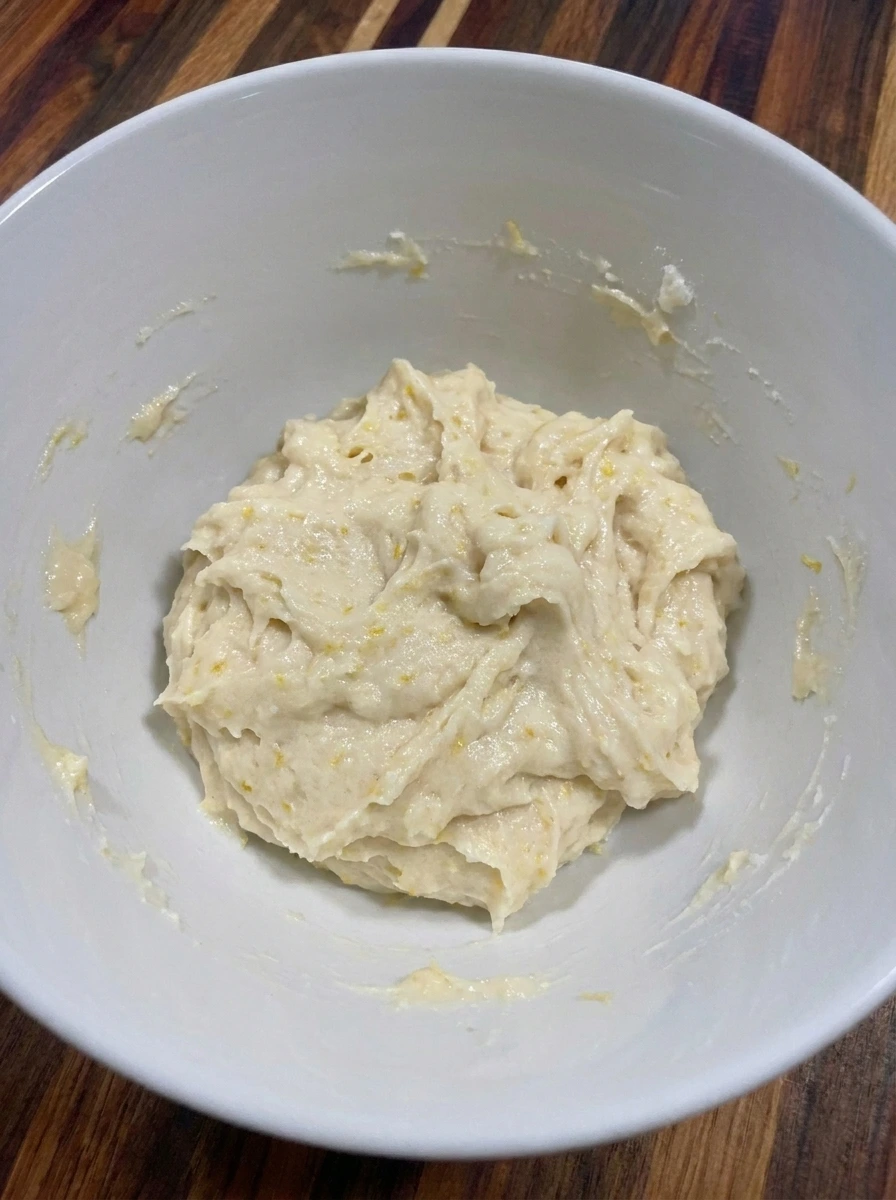
In a separate bowl combine the all-purpose flour with the baking powder and fine salt. Gradually add this dry mixture to the ricotta batter while mixing gently on low speed or folding by hand until no dry flour remains visible. The batter will thicken into a soft and slightly sticky cookie dough that holds gentle ridges when moved. Avoid overmixing because excessive mixing develops gluten and can make the finished cookies dense instead of fluffy. The dough should remain soft enough to scoop but thick enough to hold a rounded shape.
Tip: Stop mixing as soon as the flour disappears into the batter because gentle handling keeps these cookies delicate and cake-like.
Step 4: Scoop the soft cookie dough onto a baking sheet
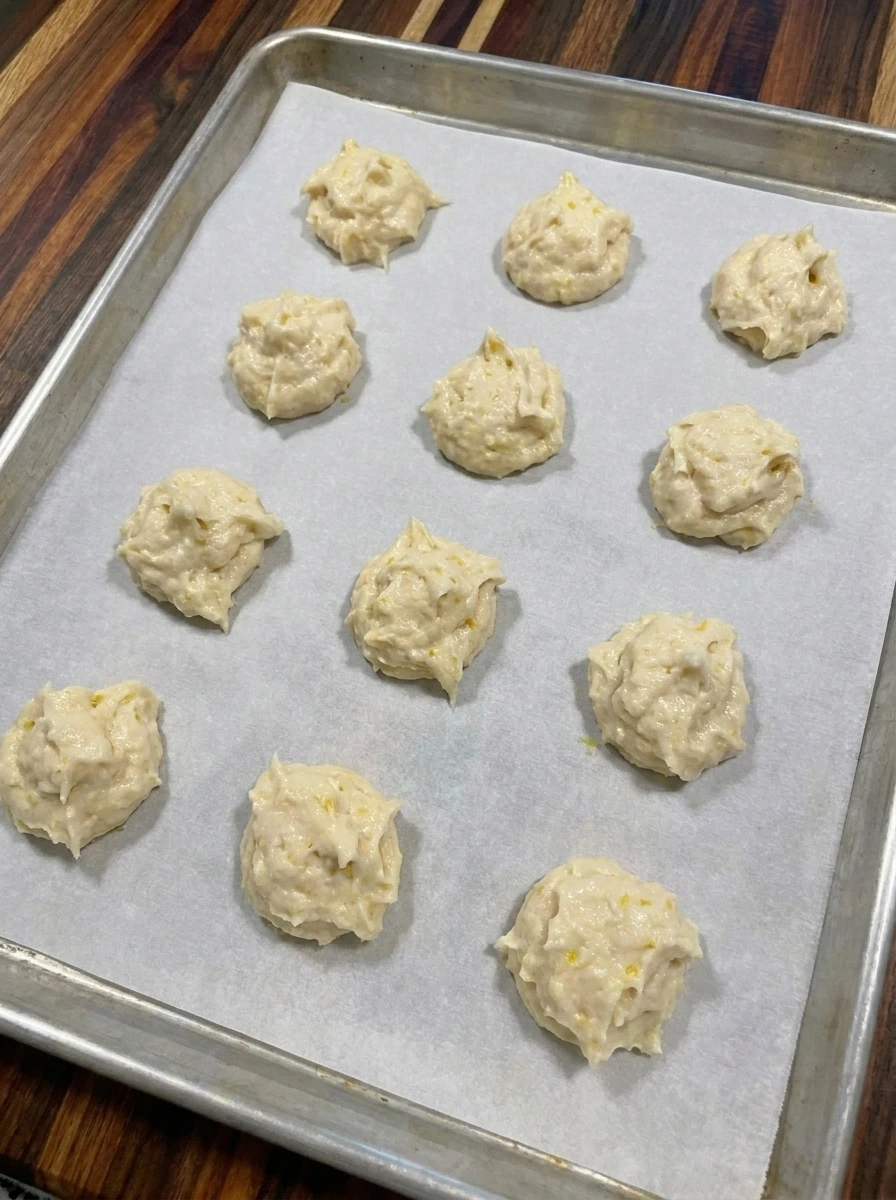
Line a baking sheet with parchment paper and scoop approximately 1 1/2 tablespoons of cookie dough for each cookie. Place the rounded portions onto the prepared baking sheet while leaving approximately 2 inches between them so they have room to rise and spread slightly. The dough should form soft uneven mounds rather than perfectly smooth balls. A typical baking sheet will hold approximately 12 cookies while the remaining dough can be baked in additional batches. This recipe makes about 30 cookies in total.
Tip: For easier scooping refrigerate the dough for 15 minutes if it feels too sticky and leave enough space between each mound for gentle spreading.
Step 5: Bake the cookies until fluffy and lightly golden
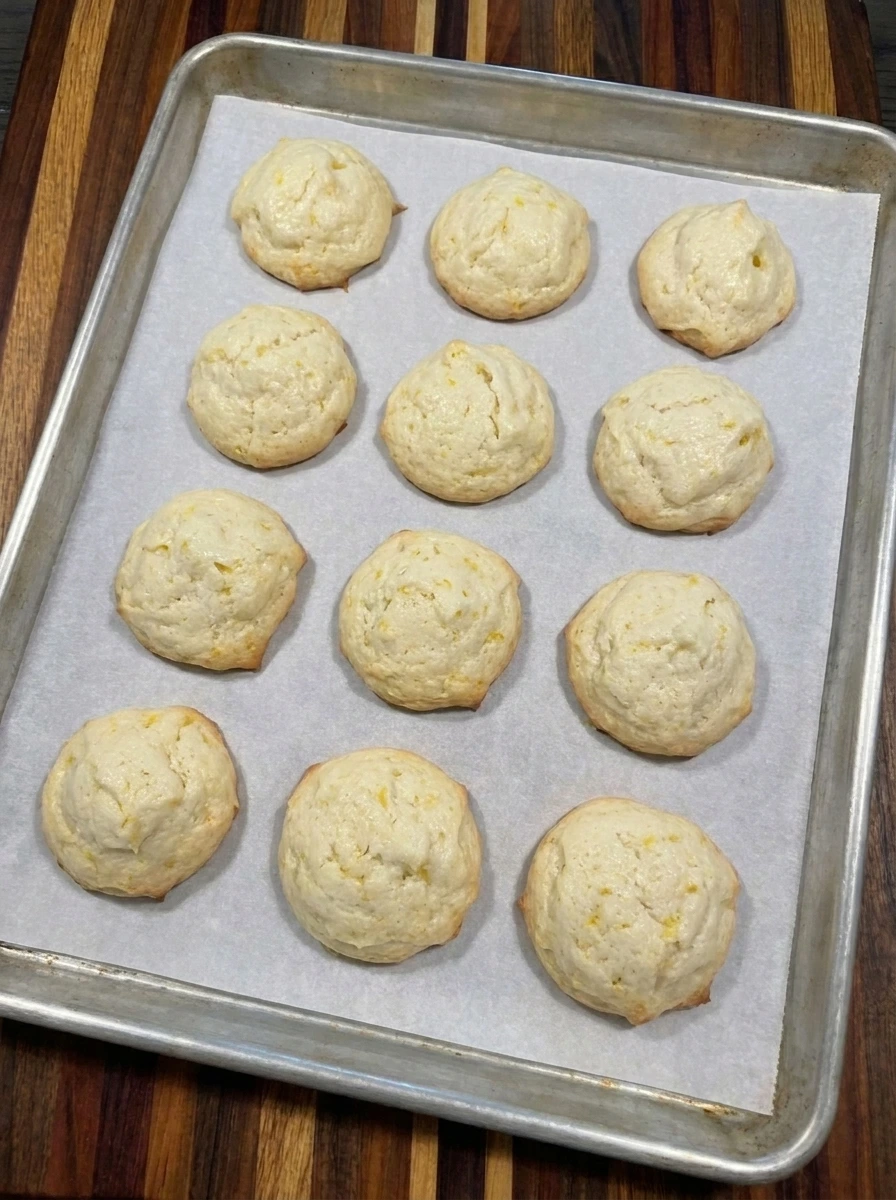
Preheat the oven to 350°F or 175°C and place the baking sheet on the center rack. Bake the cookies for approximately 12 to 15 minutes until the tops look set and the bottoms develop a light golden color. The cookies should remain mostly pale because the goal is a tender and fluffy texture rather than a crispy finish. Remove the baking sheet from the oven and allow the cookies to rest for approximately 5 minutes before transferring them to cool completely. Repeat with the remaining dough until all approximately 30 cookies are baked. As the cookies cool they will become slightly firmer on the outside while keeping their delicate interiors.
Tip: Remove the cookies while the tops are still pale and soft because leaving them in the oven too long can dry out their tender centers.
Step 6: Coat the cooled cookies with fresh lemon glaze
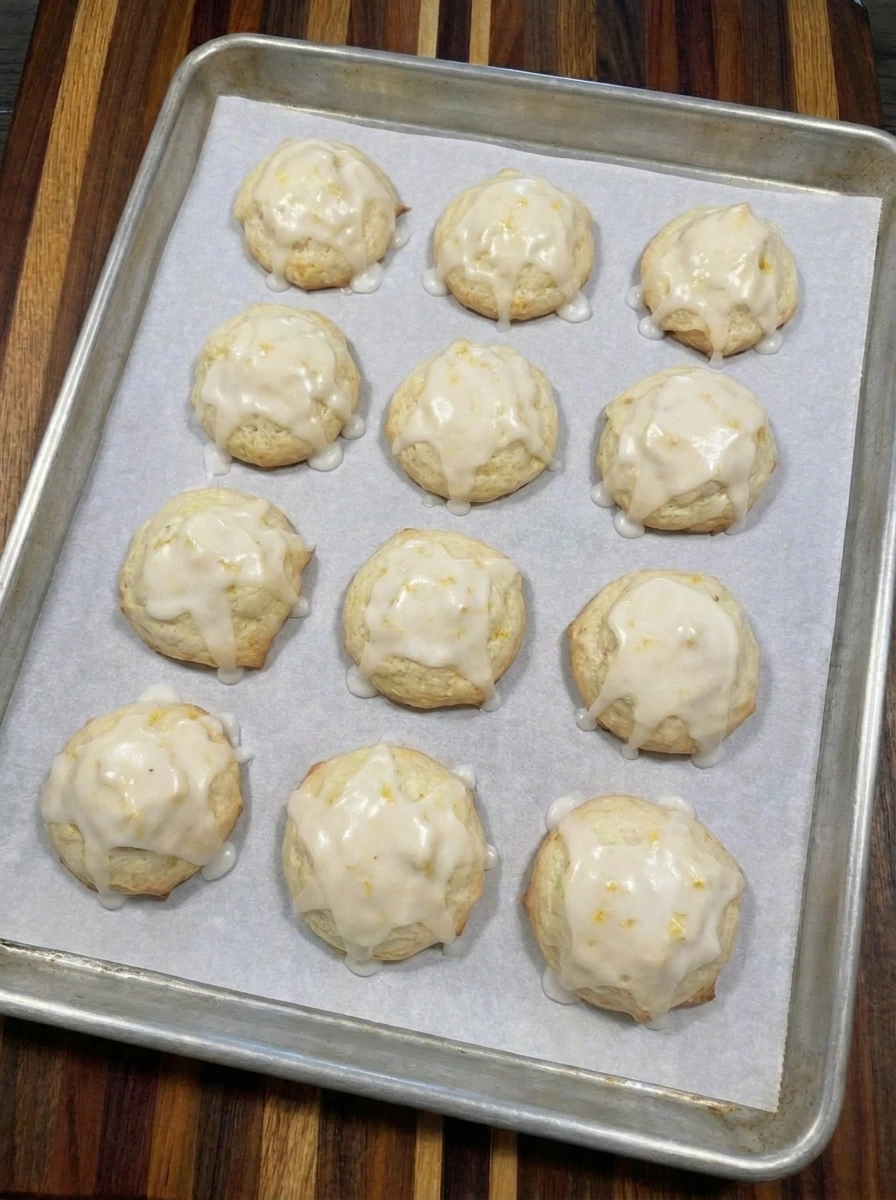
Place the powdered sugar into a small bowl and gradually stir in the remaining 2 tablespoons of fresh lemon juice until a smooth thick glaze forms. If the glaze is too thick then add a few drops of water until it becomes easy to spread without running off the cookies. Arrange the completely cooled cookies on a clean baking tray and spread a small amount of glaze over each top. Allow the icing to settle naturally over the rounded surfaces with a few small drips along the edges. Leave the cookies undisturbed for approximately 20 minutes until the glaze begins to set.
Tip: Always glaze completely cooled cookies and keep the icing slightly thick so it forms a pretty coating instead of soaking into the crumb.
Step 7: Serve one glazed lemon ricotta cookie
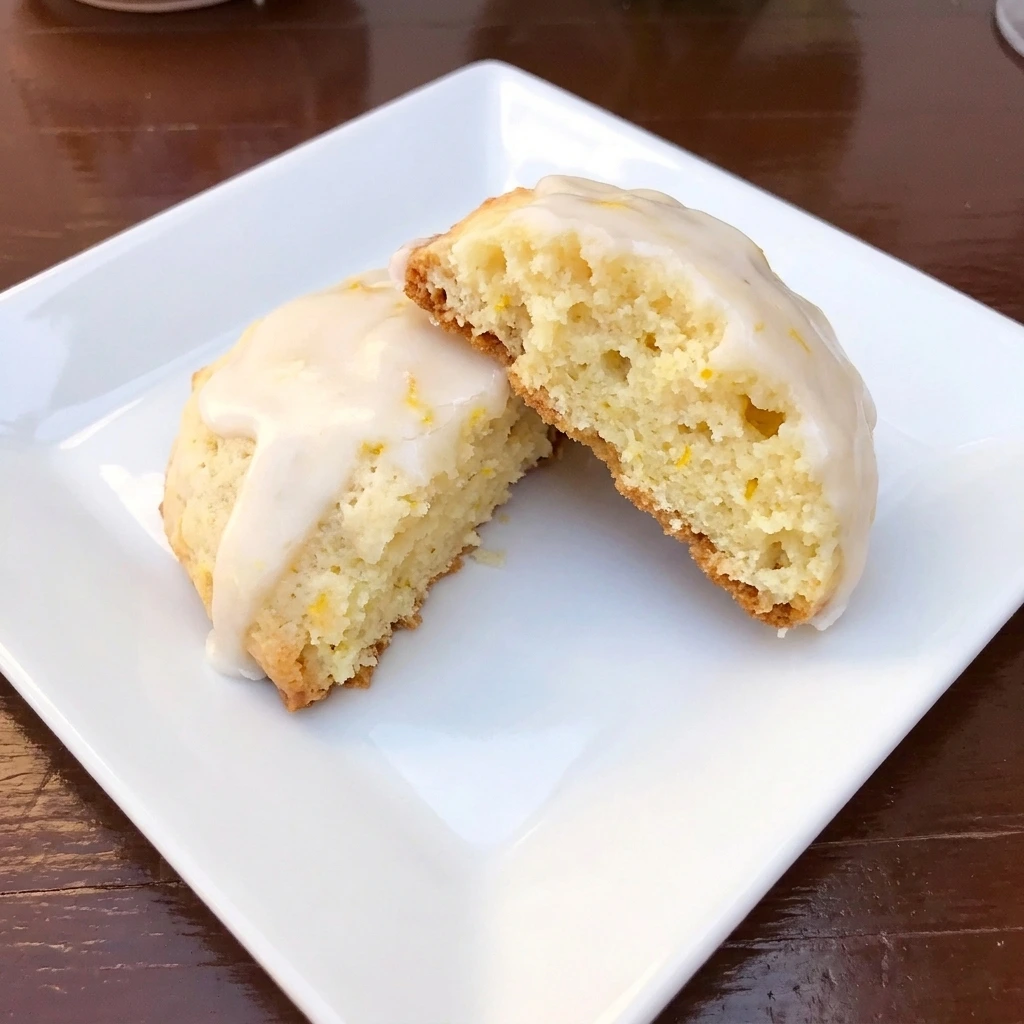
Once the lemon glaze has set gently transfer one finished cookie onto a small white serving plate. Break the cookie into two uneven pieces to reveal the soft interior while keeping the glazed top visible. The finished cookie should have a delicate cake-like center with tiny air pockets and a pale yellow color. Its sweet lemon glaze creates a thin coating that contrasts with the fluffy crumb beneath. Serve at room temperature for the softest texture and freshest citrus flavor.
Tip: Break one cookie open just before serving to show the fluffy center and keep the remaining cookies covered until everyone is ready for dessert.
Pro Tips
- Use whole milk ricotta cheese instead of low-fat ricotta because its extra richness helps the cookies stay soft and tender after baking.
- Measure the flour carefully by spooning it into the measuring cup because too much flour can make the cookies dense and dry.
- Zest the lemons before squeezing the juice and avoid the bitter white pith so the finished cookies have a clean citrus flavor.
- Allow the cookies to cool completely before glazing because warm cookies can melt the icing and prevent a smooth white coating.
Storage Instructions
Room Temperature Storage: Once the lemon glaze has completely set you can keep the cookies in an airtight container at cool room temperature for up to 2 days. Place parchment paper between layers to prevent the glazed tops from sticking together. Avoid leaving them uncovered because their soft texture can dry out quickly. Refrigerator Storage: Because these cookies contain a generous amount of ricotta cheese I prefer refrigerating them when keeping them longer than a day or two.
Arrange the fully cooled cookies in a sealed container and refrigerate for up to 5 days. Allow them to sit at room temperature for approximately 15 minutes before serving so the delicate crumb softens again. Freezer Storage: For longer storage freeze the baked cookies before adding the glaze. Arrange the completely cooled cookies in a single layer until firm and then transfer them to a freezer-safe container with parchment between layers. Freeze for up to 3 months for the best flavor and texture. Thaw them in the refrigerator or at room temperature before adding fresh glaze.
Make-Ahead Dough: The cookie dough can be prepared ahead and stored in a tightly covered container in the refrigerator for up to 24 hours. When ready to bake allow the dough to soften slightly if needed before portioning it onto the prepared baking sheet. Chilled dough may need an additional minute or two of baking time. Serving and Refreshing: These cookies taste best at room temperature when the ricotta crumb is naturally soft and the lemon glaze has settled into a delicate coating. Avoid reheating glazed cookies because the icing may melt and become sticky. If the cookies have been frozen without glaze then let them thaw fully before finishing with fresh lemon icing.
Frequently Asked Questions
Ricotta adds moisture while baking powder creates a fluffy texture so these cookies naturally stay soft and cake-like.
Yes you can bake them one day ahead and store them in an airtight container before glazing closer to serving.
Yes freeze the completely cooled cookies without glaze for up to three months and thaw before decorating.
Use softened rather than melted butter and chill overly sticky dough before scooping to help maintain rounded shapes.
See You in the Kitchen
These lemon ricotta cookies are a great way to satisfy your sweet citrus cravings without making a complicated bakery-style dessert.
I typically prepare a batch alongside my Loaded Baked Egg Casserole for brunch or serve them after Christmas Baked Ziti during the holidays so all of my favorite homemade dishes are ready for everyone to enjoy.
Even my kids love these!
Print
lemon ricotta cookies
- Total Time: 1 hour 15 minutes
- Yield: 30 servings
Description
These easy lemon ricotta cookies are soft and fluffy with a bright citrus flavor and a sweet lemon glaze that makes every bite special. Made with simple pantry staples and creamy ricotta cheese they are one of the best homemade cookie ideas for holiday baking or spring brunch. The batter comes together with quick preparation and delivers tender cookies that feel light and fresh. They are a lovely alternative to heavy desserts and a healthy-inspired treat for sharing at parties.
Ingredients
- 2 1/2 cups (300 g) All-purpose flour
- 1 cup (approximately 245 g) Whole milk ricotta cheese
- 1/2 cup (113 g) Unsalted butter
- 1 cup (200 g) Granulated sugar
- 1 Large egg
- 2 tablespoons Fresh lemon zest
- 2 tablespoons for dough plus 2 tablespoons for glaze Fresh lemon juice
- 1 teaspoon Vanilla extract
- 2 teaspoons Baking powder
- 1/2 teaspoon Fine salt
- 1 1/2 cups (180 g) Powdered sugar
Instructions
- Place the softened unsalted butter and granulated sugar into a large mixing bowl. Add the freshly grated lemon zest and beat everything together for approximately 2 to 3 minutes until the mixture becomes lighter in color and noticeably fluffy.
As the butter and sugar combine the mixture should change from separate ingredients into a soft creamy mass with tiny yellow flecks of lemon zest scattered throughout. The lemon zest releases its fragrant oils into the butter while the sugar helps create a light base for the cookies.
- Add the whole milk ricotta cheese and the large egg to the creamed butter mixture. Pour in the vanilla extract and 2 tablespoons of fresh lemon juice before mixing on low speed until the ingredients are evenly combined.
The mixture will become noticeably softer and creamier as the ricotta blends with the butter and sugar. Small ricotta curds may remain visible and the mixture can look slightly uneven at first which is completely normal. Continue mixing just until the ingredients form a thick and creamy batter.
- In a separate bowl combine the all-purpose flour with the baking powder and fine salt. Gradually add this dry mixture to the ricotta batter while mixing gently on low speed or folding by hand until no dry flour remains visible.
The batter will thicken into a soft and slightly sticky cookie dough that holds gentle ridges when moved. Avoid overmixing because excessive mixing develops gluten and can make the finished cookies dense instead of fluffy. The dough should remain soft enough to scoop but thick enough to hold a rounded shape.
- Line a baking sheet with parchment paper and scoop approximately 1 1/2 tablespoons of cookie dough for each cookie. Place the rounded portions onto the prepared baking sheet while leaving approximately 2 inches between them so they have room to rise and spread slightly.
The dough should form soft uneven mounds rather than perfectly smooth balls. A typical baking sheet will hold approximately 12 cookies while the remaining dough can be baked in additional batches. This recipe makes about 30 cookies in total.
- Preheat the oven to 350°F or 175°C and place the baking sheet on the center rack. Bake the cookies for approximately 12 to 15 minutes until the tops look set and the bottoms develop a light golden color. The cookies should remain mostly pale because the goal is a tender and fluffy texture rather than a crispy finish.
Remove the baking sheet from the oven and allow the cookies to rest for approximately 5 minutes before transferring them to cool completely. Repeat with the remaining dough until all approximately 30 cookies are baked. As the cookies cool they will become slightly firmer on the outside while keeping their delicate interiors.
- Place the powdered sugar into a small bowl and gradually stir in the remaining 2 tablespoons of fresh lemon juice until a smooth thick glaze forms. If the glaze is too thick then add a few drops of water until it becomes easy to spread without running off the cookies.
Arrange the completely cooled cookies on a clean baking tray and spread a small amount of glaze over each top. Allow the icing to settle naturally over the rounded surfaces with a few small drips along the edges. Leave the cookies undisturbed for approximately 20 minutes until the glaze begins to set.
- Once the lemon glaze has set gently transfer one finished cookie onto a small white serving plate. Break the cookie into two uneven pieces to reveal the soft interior while keeping the glazed top visible.
The finished cookie should have a delicate cake-like center with tiny air pockets and a pale yellow color. Its sweet lemon glaze creates a thin coating that contrasts with the fluffy crumb beneath. Serve at room temperature for the softest texture and freshest citrus flavor.
Notes
Pro Tips:
- Use whole milk ricotta cheese instead of low-fat ricotta because its extra richness helps the cookies stay soft and tender after baking.
- Measure the flour carefully by spooning it into the measuring cup because too much flour can make the cookies dense and dry.
- Zest the lemons before squeezing the juice and avoid the bitter white pith so the finished cookies have a clean citrus flavor.
- Allow the cookies to cool completely before glazing because warm cookies can melt the icing and prevent a smooth white coating.
Storage: Room Temperature Storage: Once the lemon glaze has completely set you can keep the cookies in an airtight container at cool room temperature for up to 2 days. Place parchment paper between layers to prevent the glazed tops from sticking together. Avoid leaving them uncovered because their soft texture can dry out quickly.
Refrigerator Storage: Because these cookies contain a generous amount of ricotta cheese I prefer refrigerating them when keeping them longer than a day or two. Arrange the fully cooled cookies in a sealed container and refrigerate for up to 5 days. Allow them to sit at room temperature for approximately 15 minutes before serving so the delicate crumb softens again.
Freezer Storage: For longer storage freeze the baked cookies before adding the glaze. Arrange the completely cooled cookies in a single layer until firm and then transfer them to a freezer-safe container with parchment between layers. Freeze for up to 3 months for the best flavor and texture. Thaw them in the refrigerator or at room temperature before adding fresh glaze.
Make-Ahead Dough: The cookie dough can be prepared ahead and stored in a tightly covered container in the refrigerator for up to 24 hours. When ready to bake allow the dough to soften slightly if needed before portioning it onto the prepared baking sheet. Chilled dough may need an additional minute or two of baking time.
Serving and Refreshing: These cookies taste best at room temperature when the ricotta crumb is naturally soft and the lemon glaze has settled into a delicate coating. Avoid reheating glazed cookies because the icing may melt and become sticky. If the cookies have been frozen without glaze then let them thaw fully before finishing with fresh lemon icing.
- Prep Time: 20 minutes
- Cook Time: 30 minutes
- Category: Dessert
- Cuisine: Italian-American