


If you’ve ever had a cozy fall dinner at home you know that Apple Cider Pork Roast is a dish that stands out with its sweet and savory flavors.
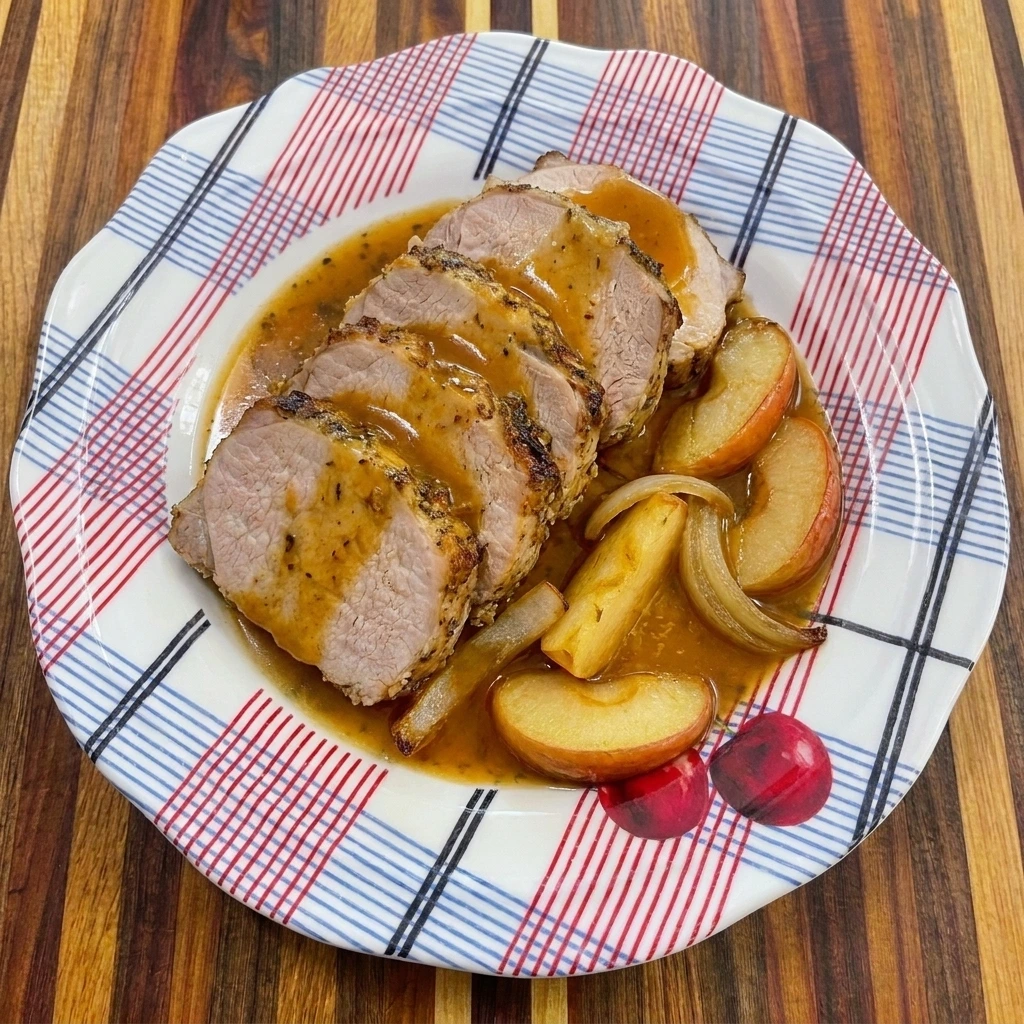
In this article we have the Apple Cider Pork Roast recipe for you to try in the comfort of your own home with this easy step by step guide and you can also try our Roast Turkey when you want another comforting roast for family dinners.
This classic autumn dish has tender pork loin in a rich and flavorful apple cider sauce that is both savory and sweet.
This recipe is great for special occasions or a weeknight meal and this recipe is sure to impress your family and friends.
Ingredients
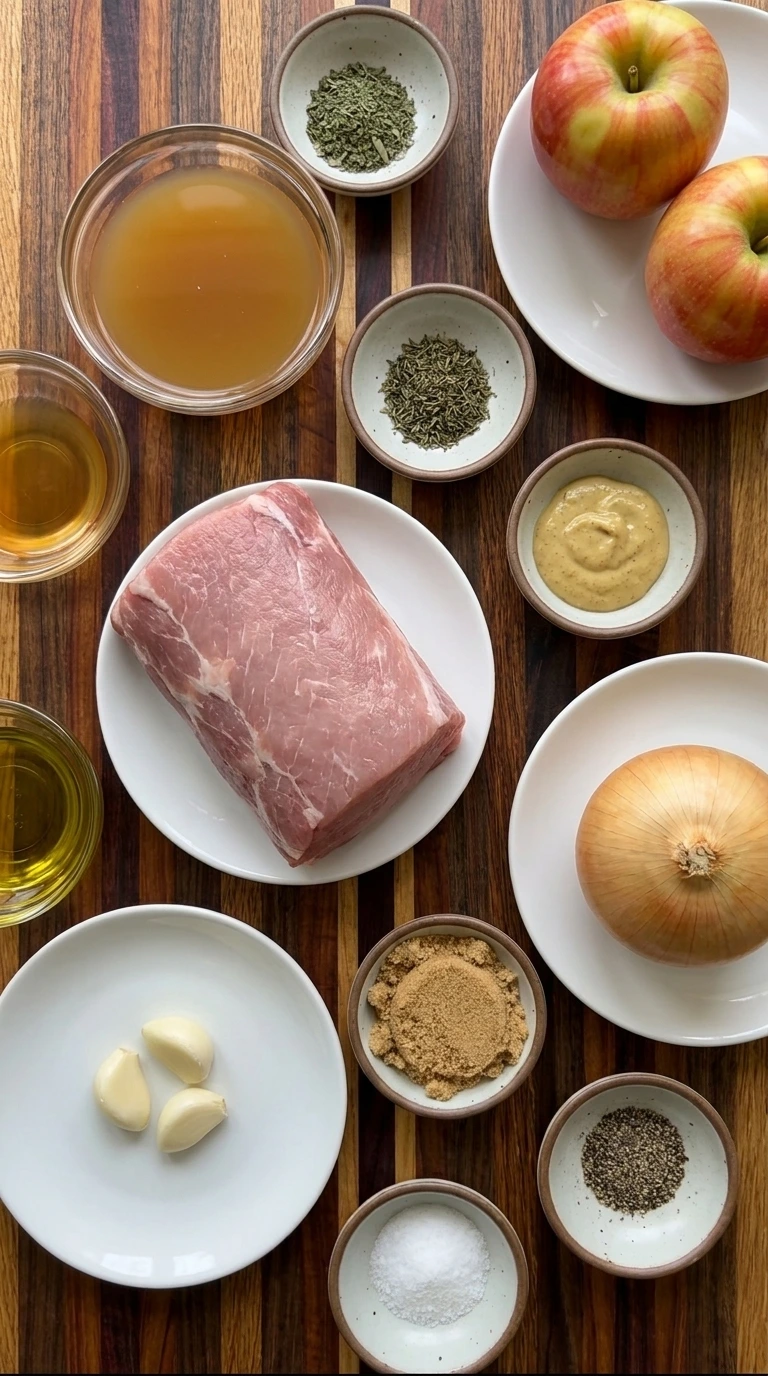
Here is what I use for this recipe :
- Boneless pork loin roast: Provides the tender and juicy centerpiece while its mild flavor absorbs the apple cider seasoning.
- Honeycrisp apples: Add natural sweetness and soft fruit texture while holding their shape during roasting.
- Yellow onion: Adds savory sweetness and creates a soft aromatic layer around the pork as it cooks.
- Apple cider: Creates the sweet and tangy roasting liquid that reduces into flavorful juices around the pork.
- Dijon mustard: Helps the seasoning cling to the pork while adding gentle sharpness to balance the cider.
- Light brown sugar: Encourages caramelization and reinforces the warm sweetness of the apples and cider.
- Garlic: Adds savory depth and aromatic flavor that balances the naturally sweet roasting ingredients.
- Dried sage: Provides an earthy autumn flavor that pairs naturally with pork and apples.
- Dried thyme: Adds herbal warmth that strengthens the savory character of the cider sauce.
- Kosher salt: Seasons the pork throughout and enhances both the sweet and savory flavors.
- Black pepper: Adds gentle heat and contrast to the sweet apples and cider.
- Olive oil: Supports even browning during searing and helps create a caramelized exterior.
- Apple cider vinegar: Adds acidity that brightens the roasting juices and keeps the cider glaze from tasting overly sweet.
Tools I Use :
- Chef knife: Slices the apples and onion while also portioning the finished pork roast cleanly.
- Wooden cutting board: Provides a stable area for preparing the apples and onion before cooking.
- Mixing bowl: Holds the pork while the mustard and herbs are spread evenly over its surface.
- Cast iron skillet: Creates direct high heat for browning the pork and developing a caramelized exterior.
- Ceramic baking dish: Holds the pork with apples and onion while the cider reduces during roasting.
- Meat thermometer: Checks the internal temperature so the pork reaches safe doneness without becoming dry.
Instructions
Step 1: Slice the apples and onion

Cut the 2 Honeycrisp apples into irregular wedges and slice the 1 yellow onion into uneven curved strips so the fruit and onion have varied homemade shapes. Keep the apple wedges loosely grouped beside the onion strips with natural spacing and slight overlap so both prepared ingredients remain visibly distinct.
Tip: Keep the apple wedges fairly thick so they soften during roasting without completely breaking apart.
Step 2: Coat the pork with mustard and herbs

Spread the Dijon mustard and brown sugar with garlic and sage and thyme plus salt and black pepper over the entire 1 1/2 pound pork loin so the pale raw surface becomes unevenly coated with a speckled golden herb mixture. Turn the pork within the coating so different sides pick up the mixture while some thicker streaks remain along the edges and natural patches of meat still show through.
Tip: Press the seasoning mixture onto every side of the roast so the crust develops balanced flavor during searing.
Step 3: Sear the pork until browned
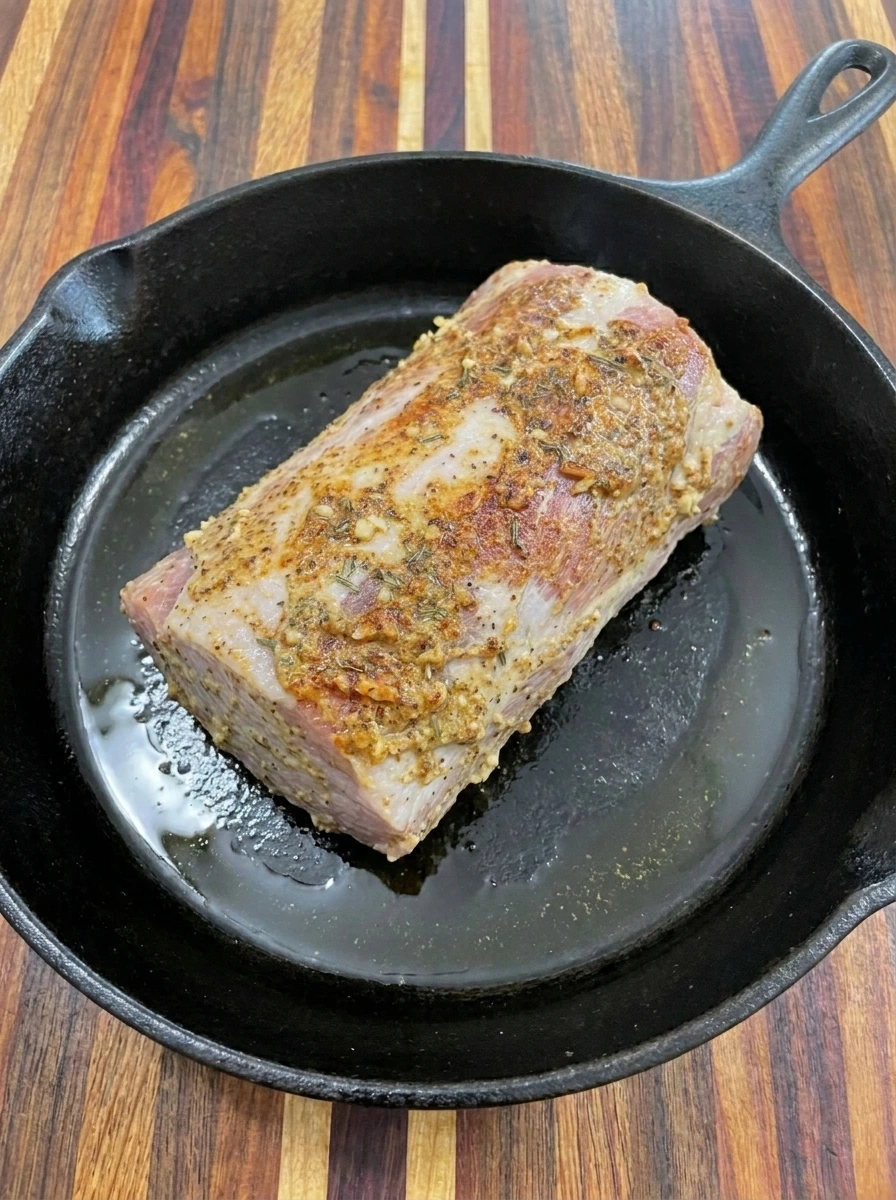
Brown the seasoned 1 1/2 pound pork loin in the olive oil until several sides develop a deep golden crust while a few darker caramelized patches appear naturally around the edges. Rotate the roast so the previously pale surfaces contact the hot cooking surface and the pork shifts from one side of the container toward the center as browning develops.
Tip: Allow each broad side to brown before turning because moving the roast too soon can prevent a flavorful crust from forming.
Step 4: Arrange the roast with apples and cider
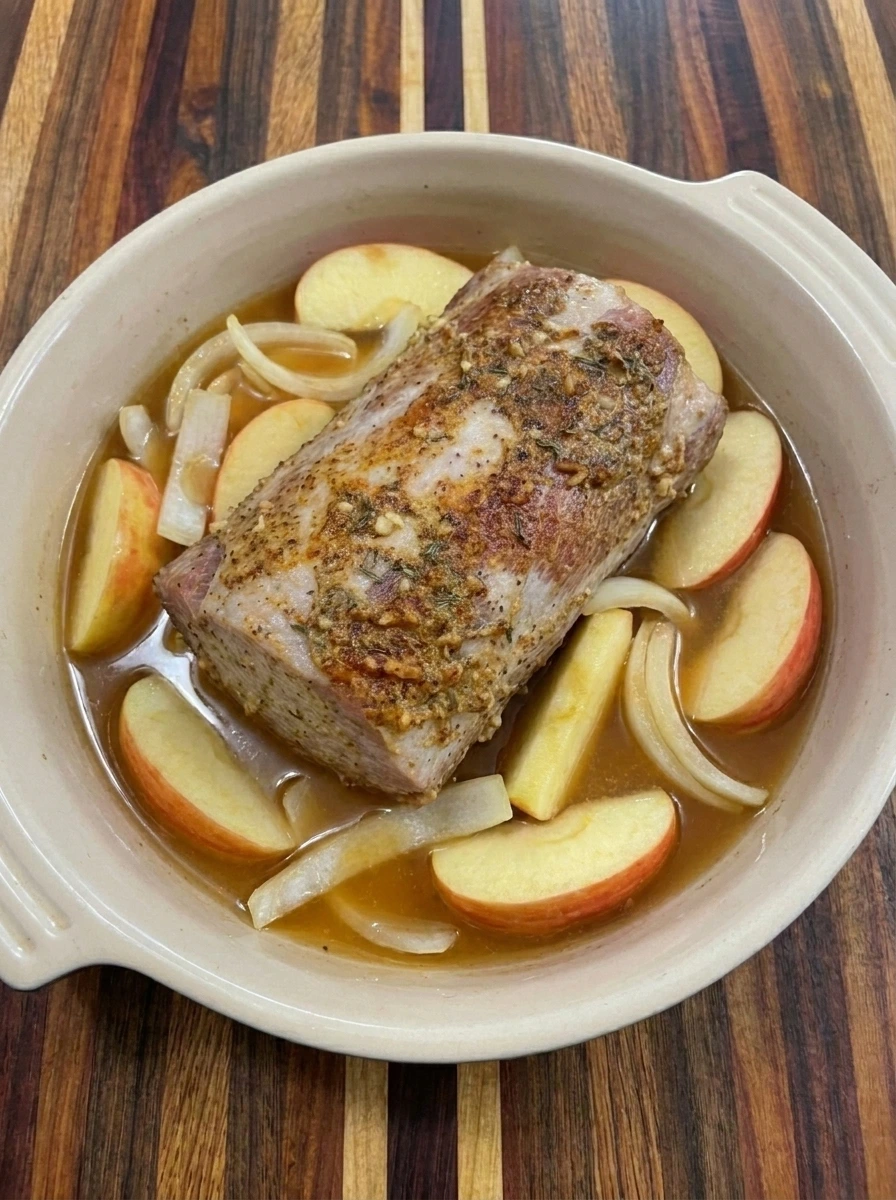
Transfer the browned pork loin into a baking dish and scatter the wedges from 2 apples plus the sliced 1 onion around it so the fruit and onion sit at different angles with loose natural overlap. Pour the 1 cup apple cider and 1 tablespoon apple cider vinegar around the pork so the liquid pools beneath the fruit while the browned upper surface of the roast remains visible above the liquid.
Tip: Keep most of the cider around rather than over the roast so the browned crust stays visible while the fruit cooks in the juices.
Step 5: Roast until the apples soften

Roast until the pork develops deeper brown edges and the apple wedges become tender with lightly caramelized tips while the onion strips soften and darken around their thinner edges. The cider should reduce into glossy amber juices as the apples and onions shift closer to the pork and settle into irregular clusters around the finished roast.
Tip: Cook until the center reaches a safe temperature and avoid roasting far beyond that point so the pork remains tender and juicy.
Step 6: Slice and serve the pork
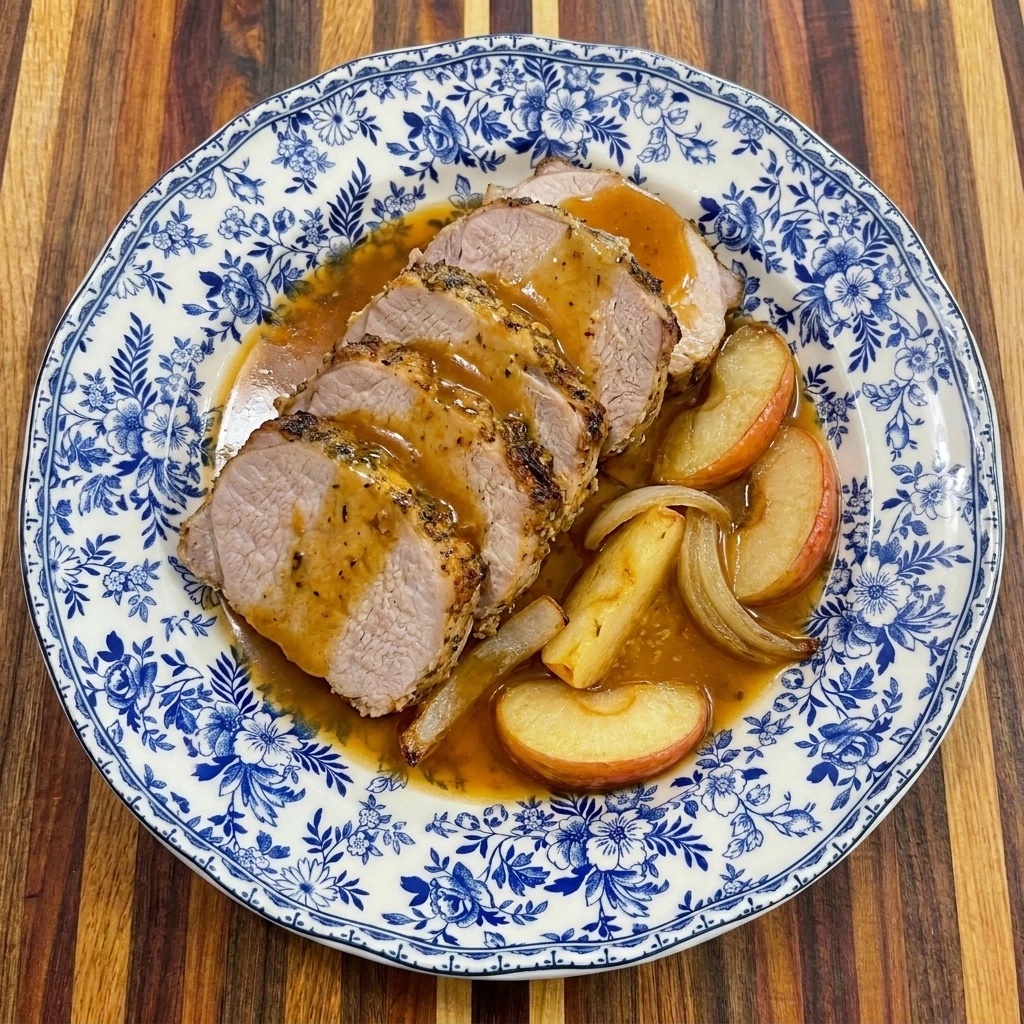
Slice one serving from the rested roast to reveal a juicy pale interior beneath the browned crust and place it on a white plate with a small portion of the softened apples and onions beside it. Spoon some reduced cider juices partly across the sliced pork and fruit so the glaze pools naturally around the edges while the interior of the pork stays clearly visible.
Tip: Let the roast rest before cutting and slice across the grain so each serving stays tender and holds onto more of its juices.
Pro Tips
- Choose a center cut pork loin with even thickness so it roasts at a steady rate and stays juicy from edge to center.
- Use firm apples such as Honeycrisp or Granny Smith because they soften during roasting while still holding distinct slices.
- Let the pork rest before slicing so the juices settle back into the meat and each portion stays moist and tender.
- Slice the roast across the grain and spoon the softened apples plus reduced cider juices over each serving for balanced flavor.
Storage Instructions
Let leftover Apple Cider Pork Roast cool before storing it and keep the sliced pork with the apples and cider juices so the meat stays moist. Refrigerate the leftovers in a covered food storage container for up to three days and keep enough sauce around the pork to protect it from drying out. Reheat individual portions gently until hot and spoon the cider juices over the meat during reheating so the slices regain moisture. For longer storage freeze sliced portions with some apples and sauce for up to two months and thaw them overnight in the refrigerator before reheating.
Frequently Asked Questions
Yes although tenderloin cooks faster so reduce the roasting time and check for doneness early to prevent dryness.
Firm sweet tart apples such as Honeycrisp or Granny Smith hold their shape and balance the savory pork nicely.
Yes season and sear the pork ahead then chill it separately and assemble with apples and cider before roasting.
Avoid overcooking and let the roast rest before slicing so the natural juices redistribute through the meat.
See You in the Kitchen
This Apple Cider Pork Roast is a great way to satisfy your craving for a cozy fall dinner without making a complicated meal and you can also try our Creamy Chicken Tortellini Soup when you want another comforting dinner.
I typically prepare the apples and onions while I season my pork and that way all of my dinner components will be ready at the same time while Cowboy Soup is another hearty option for busy nights.
Even my family loves this one.
Print
Apple Cider Pork Roast
- Total Time: 1 hour 15 minutes
- Yield: 4 servings
Description
Apple Cider Pork Roast is an easy and quick dinner with tender pork and sweet apples plus a savory cider glaze. This simple recipe is one of the best ideas for a cozy weeknight dinner and it also works for meal prep or a holiday table. The pork stays juicy while onions and apples soften into a healthy feeling side. Serve it for a potluck or brunch or party when you want comforting fall flavor with very little fuss and a warm homemade meal everyone can enjoy.
Ingredients
- 1 1/2 pounds Boneless pork loin roast
- 2 medium Honeycrisp apples
- 1 medium Yellow onion
- 1 cup Apple cider
- 2 tablespoons Dijon mustard
- 1 tablespoon Light brown sugar
- 3 cloves Garlic
- 1 teaspoon Dried sage
- 1 teaspoon Dried thyme
- 1 teaspoon Kosher salt
- 1/2 teaspoon Black pepper
- 1 tablespoon Olive oil
- 1 tablespoon Apple cider vinegar
Instructions
- Cut the 2 Honeycrisp apples into irregular wedges and slice the 1 yellow onion into uneven curved strips so the fruit and onion have varied homemade shapes.
Keep the apple wedges loosely grouped beside the onion strips with natural spacing and slight overlap so both prepared ingredients remain visibly distinct.
- Spread the Dijon mustard and brown sugar with garlic and sage and thyme plus salt and black pepper over the entire 1 1/2 pound pork loin so the pale raw surface becomes unevenly coated with a speckled golden herb mixture.
Turn the pork within the coating so different sides pick up the mixture while some thicker streaks remain along the edges and natural patches of meat still show through.
- Brown the seasoned 1 1/2 pound pork loin in the olive oil until several sides develop a deep golden crust while a few darker caramelized patches appear naturally around the edges.
Rotate the roast so the previously pale surfaces contact the hot cooking surface and the pork shifts from one side of the container toward the center as browning develops.
- Transfer the browned pork loin into a baking dish and scatter the wedges from 2 apples plus the sliced 1 onion around it so the fruit and onion sit at different angles with loose natural overlap.
Pour the 1 cup apple cider and 1 tablespoon apple cider vinegar around the pork so the liquid pools beneath the fruit while the browned upper surface of the roast remains visible above the liquid.
- Roast until the pork develops deeper brown edges and the apple wedges become tender with lightly caramelized tips while the onion strips soften and darken around their thinner edges.
The cider should reduce into glossy amber juices as the apples and onions shift closer to the pork and settle into irregular clusters around the finished roast.
- Slice one serving from the rested roast to reveal a juicy pale interior beneath the browned crust and place it on a white plate with a small portion of the softened apples and onions beside it.
Spoon some reduced cider juices partly across the sliced pork and fruit so the glaze pools naturally around the edges while the interior of the pork stays clearly visible.
Notes
Pro Tips:
- Choose a center cut pork loin with even thickness so it roasts at a steady rate and stays juicy from edge to center.
- Use firm apples such as Honeycrisp or Granny Smith because they soften during roasting while still holding distinct slices.
- Let the pork rest before slicing so the juices settle back into the meat and each portion stays moist and tender.
- Slice the roast across the grain and spoon the softened apples plus reduced cider juices over each serving for balanced flavor.
Storage: Let leftover Apple Cider Pork Roast cool before storing it and keep the sliced pork with the apples and cider juices so the meat stays moist.
Refrigerate the leftovers in a covered food storage container for up to three days and keep enough sauce around the pork to protect it from drying out.
Reheat individual portions gently until hot and spoon the cider juices over the meat during reheating so the slices regain moisture.
For longer storage freeze sliced portions with some apples and sauce for up to two months and thaw them overnight in the refrigerator before reheating.
- Prep Time: 20 minutes
- Cook Time: 55 minutes
- Category: Dinner
- Cuisine: American