

This Roast Turkey is my holiday take on one of the best comfort foods. It has crisp golden skin and juicy seasoned meat plus plenty of savory herb butter.
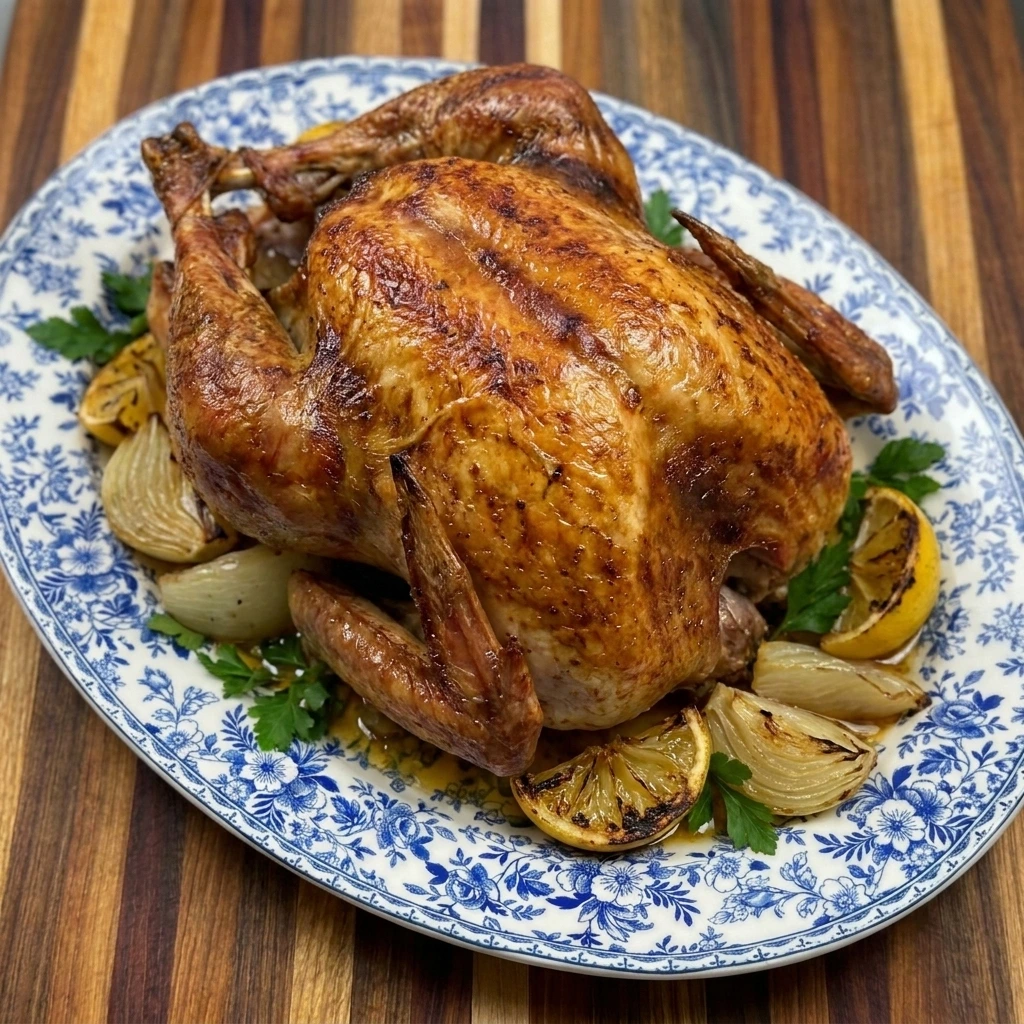
My Roast Turkey recipe starts by coating one whole turkey with softened butter and fresh herbs. The seasoned bird is then filled with onion and lemon plus garlic until every part is ready for slow roasting. If you love cozy savory meals then try our French Onion Chicken Soup for another comforting dinner.
The other key to this Roast Turkey is steady roasting followed by a proper rest. Not only does that create beautifully browned skin but it also helps the juices settle into the meat. Every part of this Roast Turkey is flavorful on its own which means the whole thing is ridiculously good.
Ingredients
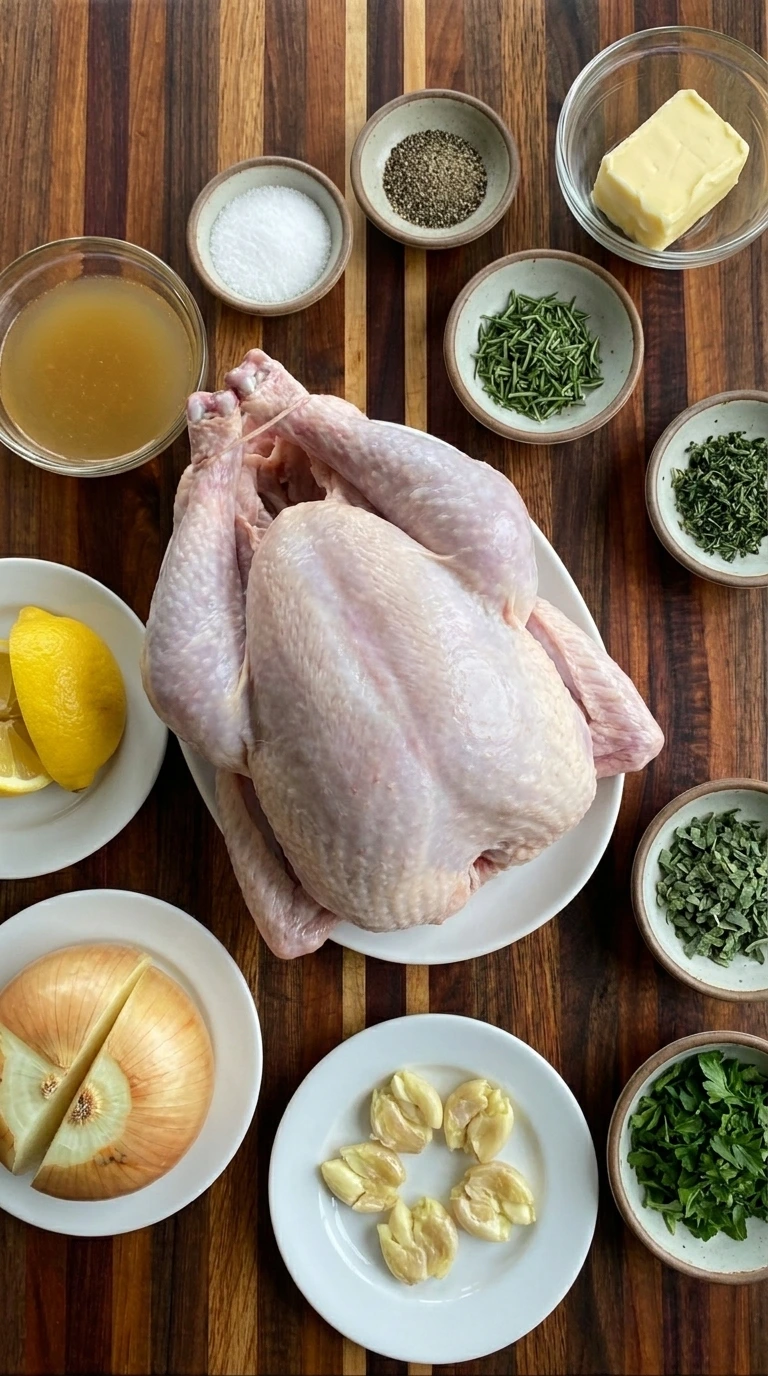
Here is what I use for this recipe :
- Whole turkey: Provides the main protein and centerpiece while its skin becomes crisp and its meat stays juicy during roasting.
- Unsalted butter: Carries the herbs across the skin and helps encourage rich browning while adding moisture and flavor.
- Fresh rosemary: Adds a woodsy herb flavor that complements roasted poultry and perfumes the butter coating.
- Fresh thyme: Adds earthy flavor to the herb butter and supports the savory character of the roasted turkey.
- Fresh sage: Provides a classic holiday herb flavor that works especially well with turkey and roasted aromatics.
- Kosher salt: Seasons the meat and skin while helping create a deeply savory finished roast.
- Black pepper: Adds gentle heat and savory depth throughout the herb butter coating.
- Garlic: Adds aromatic flavor inside the turkey cavity as the cloves soften during roasting.
- Yellow onion: Adds moisture and savory sweetness inside the cavity while releasing aroma during roasting.
- Lemon: Adds fresh citrus aroma and gentle acidity that balances the richness of the turkey.
- Chicken broth: Adds moisture around the turkey during roasting and helps prevent flavorful pan juices from drying out.
- Fresh parsley: Adds a fresh green finish to the plated turkey and provides contrast against the browned meat.
Tools I Use :
- Large roasting pan: Holds the whole turkey securely while collecting flavorful juices and supporting even oven roasting.
- Roasting rack: Raises the turkey above the liquid so hot air can circulate around the bird and improve browning.
- Mixing bowl: Provides space for combining softened butter with fresh herbs and seasoning before coating the turkey.
- Instant-read thermometer: Checks the internal temperature in the thickest portions so the turkey reaches safe doneness without unnecessary overcooking.
- Carving knife: Creates clean slices through the rested turkey while preserving the juicy interior and browned skin.
- Large serving platter: Supports the rested whole turkey and provides enough room for carving and presentation.
Instructions
Step 1: Coat the turkey with herb butter
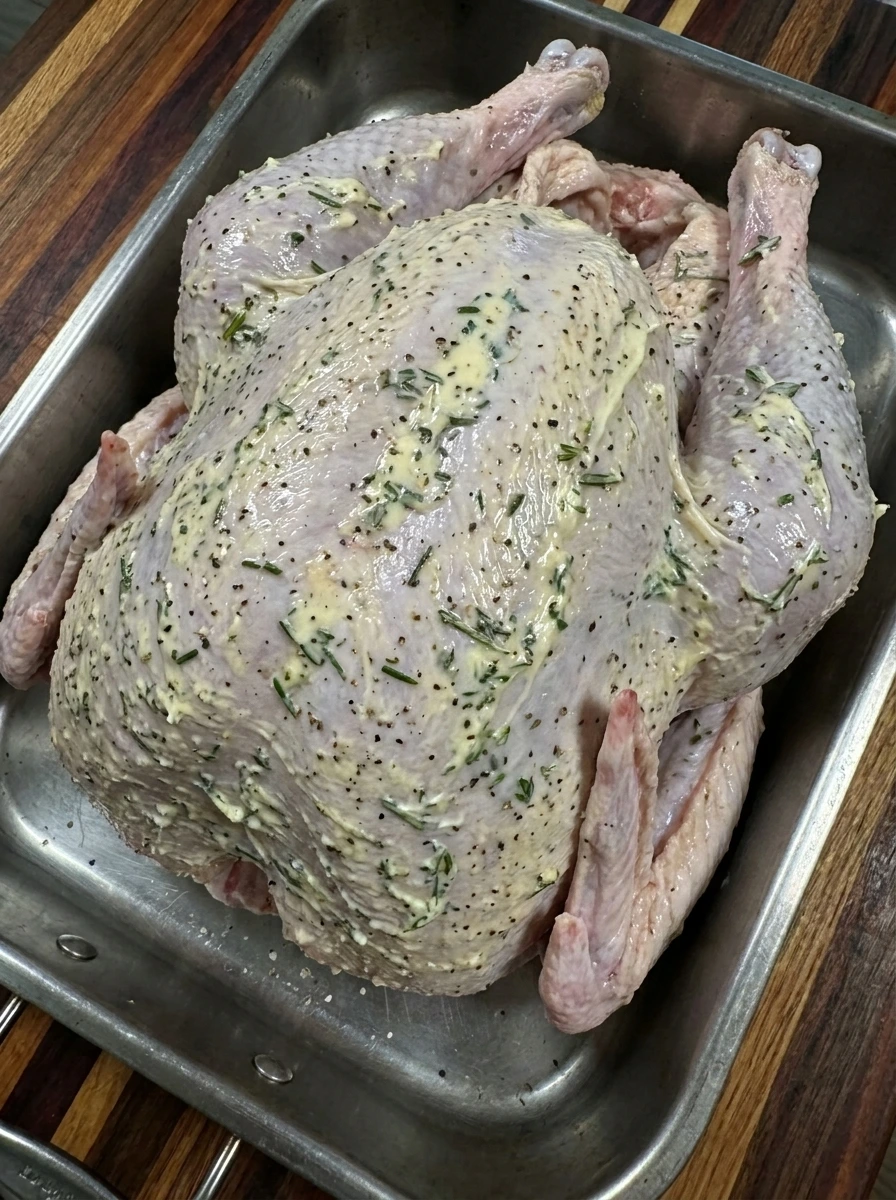
Pat the 12-pound turkey dry and spread the softened butter mixed with rosemary and thyme plus sage and salt and pepper over the entire skin. Work some of the butter beneath the breast skin so the pale raw turkey becomes visibly coated with uneven green herb flecks. The surface should look glossy and irregular rather than perfectly smooth. Leave thicker patches of herb butter around the breast and thighs because those areas will gradually melt and brown during roasting.
Tip: Dry the turkey thoroughly before adding butter because a dry surface helps the skin brown more evenly and become crisper.
Step 2: Fill the turkey with aromatics
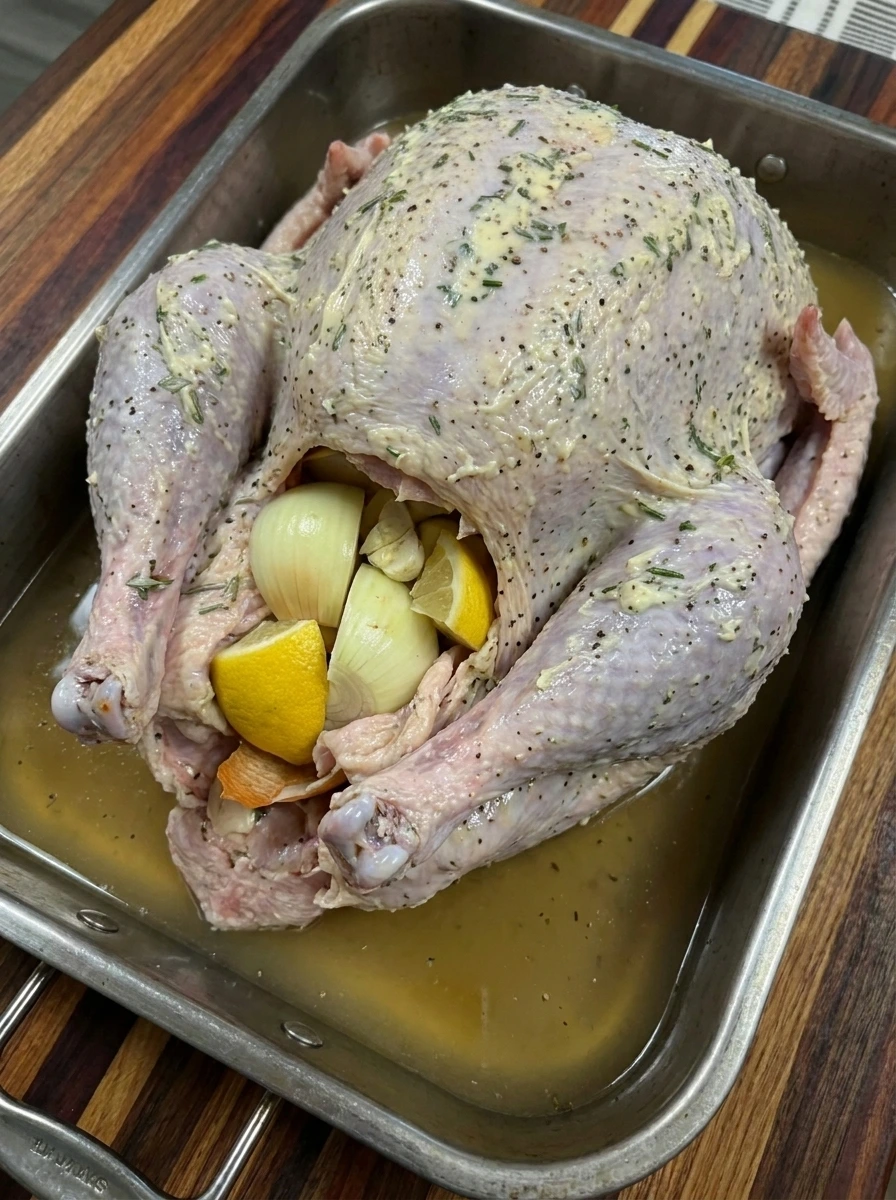
Place the quartered onion and quartered lemon plus all 6 smashed garlic cloves loosely inside the turkey cavity. Keep the pieces unevenly arranged so some onion and lemon remain visible at the opening while the herb-coated skin stays exposed. The turkey now has a fuller shape and the cavity contains distinct aromatic pieces. Pour the chicken broth around the turkey so the liquid sits beneath the bird without washing away the herb butter.
Tip: Keep the cavity loosely filled rather than tightly packed so hot air can circulate and the turkey can cook more consistently.
Step 3: Roast until the skin begins browning
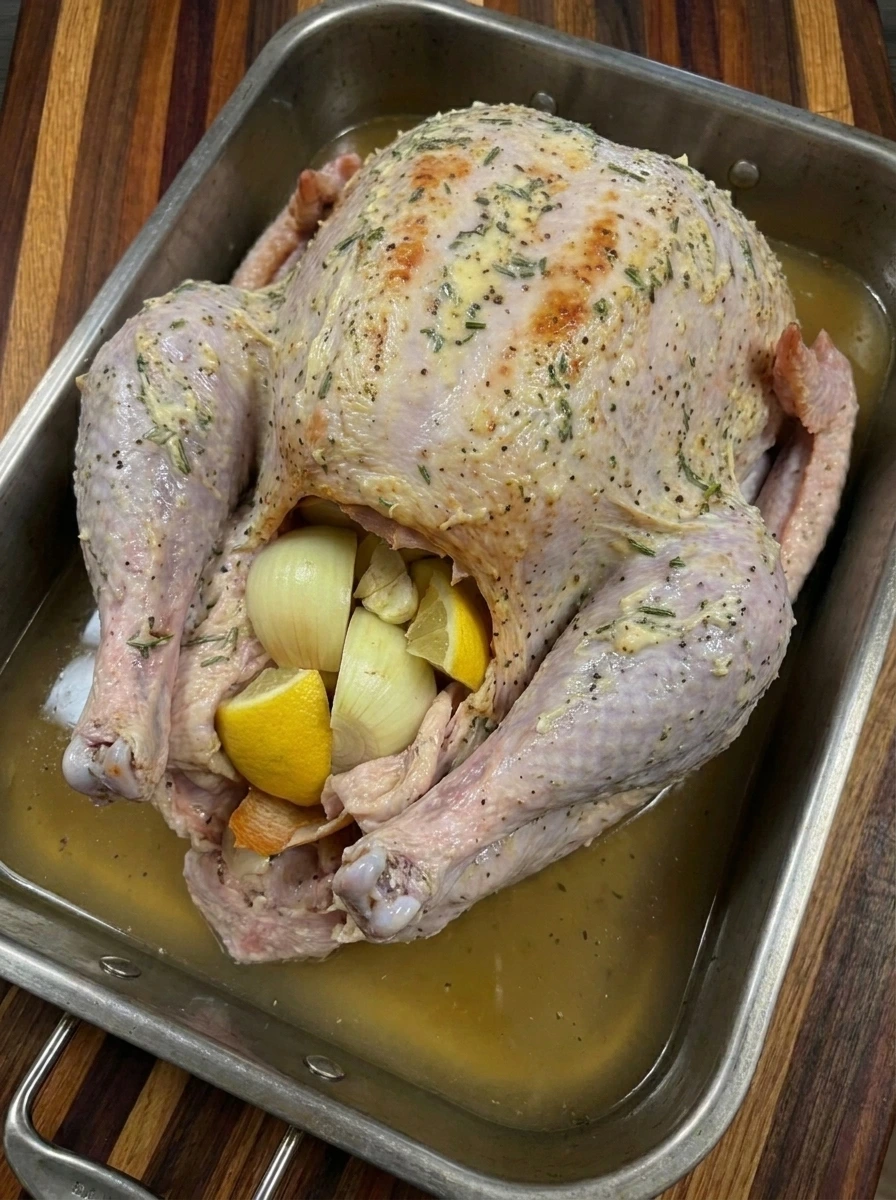
Roast the filled turkey until the pale skin begins changing to warm golden brown and the herb butter has melted across the surface. The breast should show irregular bronze patches while the wing tips and raised edges become slightly darker. The onion and lemon inside the cavity begin softening while the broth beneath the turkey becomes deeper in color. The turkey should visibly shrink slightly as the skin tightens around the breast and legs.
Tip: Rotate the turkey during roasting if one side colors faster because uneven oven heat can create overly dark patches.
Step 4: Finish roasting until deeply golden
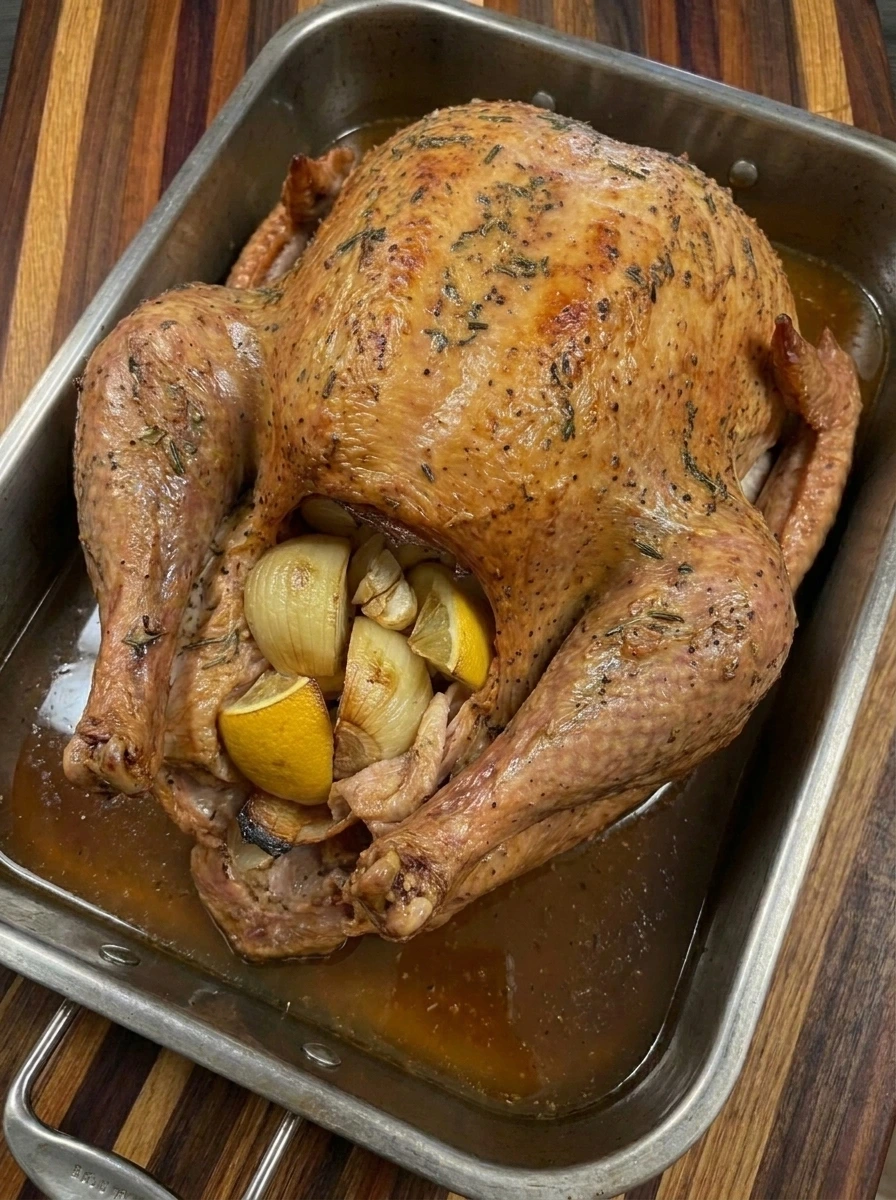
Continue roasting until the turkey develops deep golden brown skin with darker caramelized areas around the wings and legs. The herb flecks become toasted and the breast skin develops natural wrinkles and irregular crisp patches. The aromatics inside the cavity become deeply softened and lightly browned while the roasting juices become concentrated. The finished turkey should look homemade with uneven coloring instead of one perfectly uniform shade.
Tip: Check the thickest breast and thigh areas for safe doneness and avoid overcooking because resting will continue redistributing heat.
Step 5: Rest and carve the turkey

Let the whole roasted turkey rest until the juices settle and the skin remains crisp. Transfer it before carving so the finished bird keeps its browned exterior while the interior stays moist. Carve several breast slices and separate one thigh portion while keeping the remaining turkey together. The sliced breast should reveal pale juicy meat beneath the darker golden skin with natural differences in thickness.
Tip: Rest the turkey before carving because cutting immediately can release more juices and leave the slices noticeably drier.
Step 6: Plate a juicy turkey portion
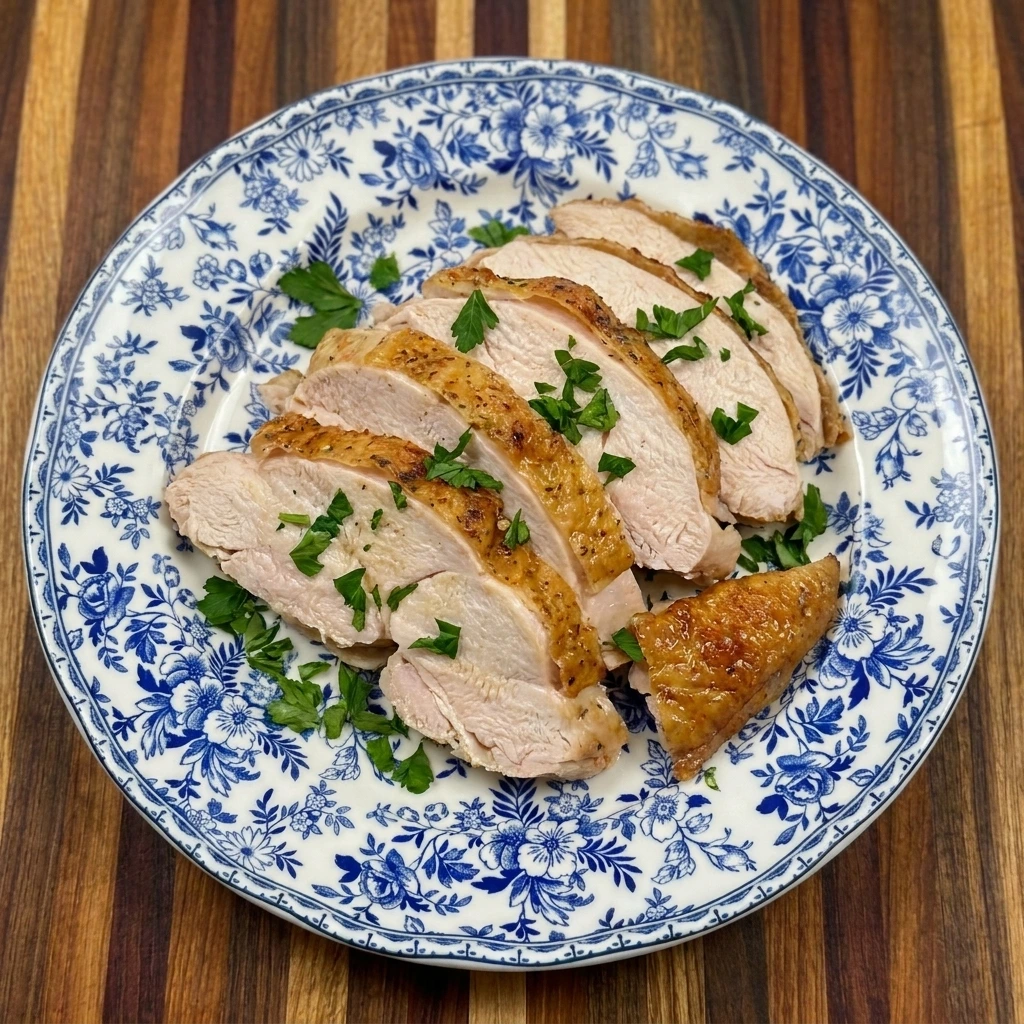
Arrange one serving of several turkey breast slices with one smaller piece of browned skin on a white plate. Overlap the slices casually so the juicy cut surfaces remain visible and the browned skin creates natural contrast. Scatter a small amount of chopped parsley over the serving without covering the turkey. The final portion should show irregular slice thickness and moist meat plus crisp browned edges for a natural homemade finish.
Tip: Slice across the breast grain and keep pieces moderately thick so each serving stays juicy while still showing the browned skin.
Pro Tips
- Dry the skin thoroughly before seasoning because removing surface moisture helps the herb butter cling and encourages better browning.
- Let the turkey lose some refrigerator chill before roasting so the exterior and deeper meat can cook more consistently.
- Rest the finished turkey before carving because the pause helps juices redistribute and keeps each breast slice noticeably more succulent.
- Save the concentrated roasting juices because they can add rich turkey flavor to homemade gravy or leftover soup.
Storage Instructions
Cool leftover Roast Turkey promptly before transferring the meat to covered storage containers. Remove larger portions from the carcass first so they cool more efficiently and keep the skin separate when possible if you want to preserve some texture. Refrigerate cooked turkey for up to 3 to 4 days. Store sliced breast meat with a small spoonful of pan juices because the extra moisture helps protect it from drying during reheating.
For longer storage freeze portions in airtight freezer containers for up to 3 months. Divide the turkey into practical meal-sized portions so you can thaw only what you need for sandwiches and casseroles plus soups. Reheat refrigerated turkey gently until thoroughly hot. Add a little broth or reserved pan juice during reheating so the meat remains tender instead of becoming dry.
Frequently Asked Questions
A 12-pound Roast Turkey usually needs about 2¾ to 3¼ hours depending on the oven and starting temperature.
Check the thickest breast and thigh areas with a thermometer and confirm the meat has reached a safe temperature.
Use herb butter and avoid overcooking then rest the bird before carving so flavorful juices stay inside the meat.
You can season the turkey a day ahead and refrigerate it then roast it fresh before your holiday meal.
See You in the Kitchen
This Roast Turkey is a great way to satisfy your holiday dinner cravings without making the meal complicated.
I typically plan a cozy side like French Onion Chicken Soup or a sweet breakfast like Pumpkin Cinnamon Roll Casserole around the same holiday weekend so all of my favorite seasonal dishes are ready to enjoy.
Even my family loves this one!
Print
Roast Turkey
- Total Time: 3 hours 45 minutes
- Yield: 10 servings
Description
Roast Turkey is an easy centerpiece with crisp golden skin and juicy meat plus simple herb butter for dependable flavor. This quick prep method gives you practical ideas for the best holiday dinner while keeping the process simple and approachable. Serve it for Thanksgiving or Christmas or a weeknight dinner when feeding a crowd and make it for meal prep after a party or potluck. Pair it with healthy vegetable sides and save the leftovers for sandwiches or soup the next day.
Ingredients
- 1 whole 12-pound turkey Whole turkey
- 8 tablespoons softened Unsalted butter
- 1 tablespoon finely chopped Fresh rosemary
- 1 tablespoon finely chopped Fresh thyme
- 1 tablespoon finely chopped Fresh sage
- 2 tablespoons Kosher salt
- 2 teaspoons Black pepper
- 6 cloves smashed Garlic
- 1 large onion quartered Yellow onion
- 1 large lemon quartered Lemon
- 2 cups Chicken broth
- 2 tablespoons roughly chopped Fresh parsley
Instructions
- Pat the 12-pound turkey dry and spread the softened butter mixed with rosemary and thyme plus sage and salt and pepper over the entire skin. Work some of the butter beneath the breast skin so the pale raw turkey becomes visibly coated with uneven green herb flecks.
The surface should look glossy and irregular rather than perfectly smooth. Leave thicker patches of herb butter around the breast and thighs because those areas will gradually melt and brown during roasting.
- Place the quartered onion and quartered lemon plus all 6 smashed garlic cloves loosely inside the turkey cavity. Keep the pieces unevenly arranged so some onion and lemon remain visible at the opening while the herb-coated skin stays exposed.
The turkey now has a fuller shape and the cavity contains distinct aromatic pieces. Pour the chicken broth around the turkey so the liquid sits beneath the bird without washing away the herb butter.
- Roast the filled turkey until the pale skin begins changing to warm golden brown and the herb butter has melted across the surface. The breast should show irregular bronze patches while the wing tips and raised edges become slightly darker.
The onion and lemon inside the cavity begin softening while the broth beneath the turkey becomes deeper in color. The turkey should visibly shrink slightly as the skin tightens around the breast and legs.
- Continue roasting until the turkey develops deep golden brown skin with darker caramelized areas around the wings and legs. The herb flecks become toasted and the breast skin develops natural wrinkles and irregular crisp patches.
The aromatics inside the cavity become deeply softened and lightly browned while the roasting juices become concentrated. The finished turkey should look homemade with uneven coloring instead of one perfectly uniform shade.
- Let the whole roasted turkey rest until the juices settle and the skin remains crisp. Transfer it before carving so the finished bird keeps its browned exterior while the interior stays moist.
Carve several breast slices and separate one thigh portion while keeping the remaining turkey together. The sliced breast should reveal pale juicy meat beneath the darker golden skin with natural differences in thickness.
- Arrange one serving of several turkey breast slices with one smaller piece of browned skin on a white plate. Overlap the slices casually so the juicy cut surfaces remain visible and the browned skin creates natural contrast.
Scatter a small amount of chopped parsley over the serving without covering the turkey. The final portion should show irregular slice thickness and moist meat plus crisp browned edges for a natural homemade finish.
Notes
Pro Tips:
- Dry the skin thoroughly before seasoning because removing surface moisture helps the herb butter cling and encourages better browning.
- Let the turkey lose some refrigerator chill before roasting so the exterior and deeper meat can cook more consistently.
- Rest the finished turkey before carving because the pause helps juices redistribute and keeps each breast slice noticeably more succulent.
- Save the concentrated roasting juices because they can add rich turkey flavor to homemade gravy or leftover soup.
Storage: Cool leftover Roast Turkey promptly before transferring the meat to covered storage containers. Remove larger portions from the carcass first so they cool more efficiently and keep the skin separate when possible if you want to preserve some texture.
Refrigerate cooked turkey for up to 3 to 4 days. Store sliced breast meat with a small spoonful of pan juices because the extra moisture helps protect it from drying during reheating.
For longer storage freeze portions in airtight freezer containers for up to 3 months. Divide the turkey into practical meal-sized portions so you can thaw only what you need for sandwiches and casseroles plus soups.
Reheat refrigerated turkey gently until thoroughly hot. Add a little broth or reserved pan juice during reheating so the meat remains tender instead of becoming dry.
- Prep Time: 30 minutes
- Cook Time: 3 hours
- Category: Dinner
- Cuisine: American