

This Herb Butter Roast Chicken with Roasted Vegetables recipe is one of my favorite meals when I’m craving a comforting chicken dinner but want something a little more special. Inspired by the classic Sunday roast chicken that always brings everyone together and packed with flavor from garlic and fresh herbs and buttery pan juices and tender roasted vegetables.
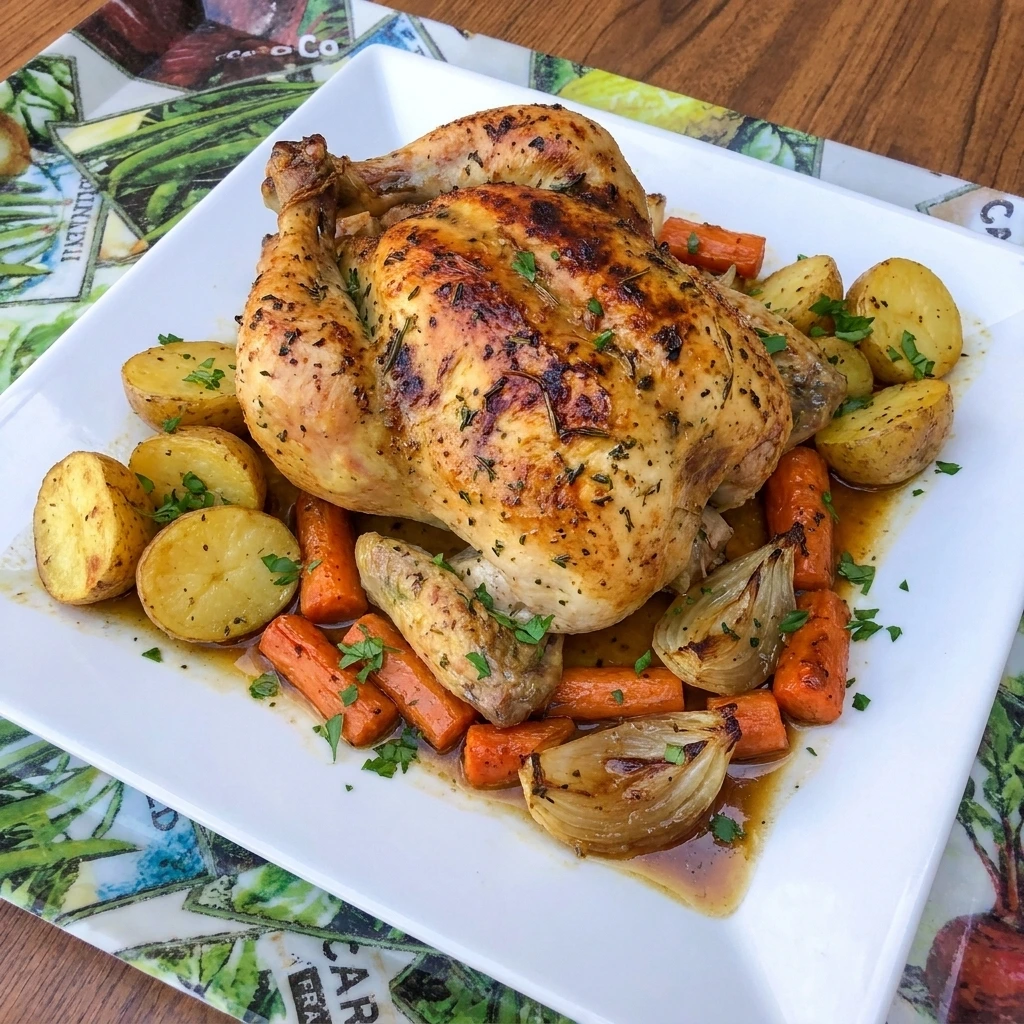
It’s also loaded with flavor from the rosemary and thyme and garlic butter and it’s so easy to customize based on whatever vegetables you have in your fridge or herbs you want to add! If I’m making this for a holiday dinner then I also love serving Cranberry Brie Pull-Apart Bread as a warm appetizer before the main meal.
I also love prepping the vegetables and herb butter ahead of time and enjoying the leftover chicken throughout the week for lunches! Everything roasts together so the vegetables soak up those delicious chicken juices while the skin turns golden and crispy.
Ingredients
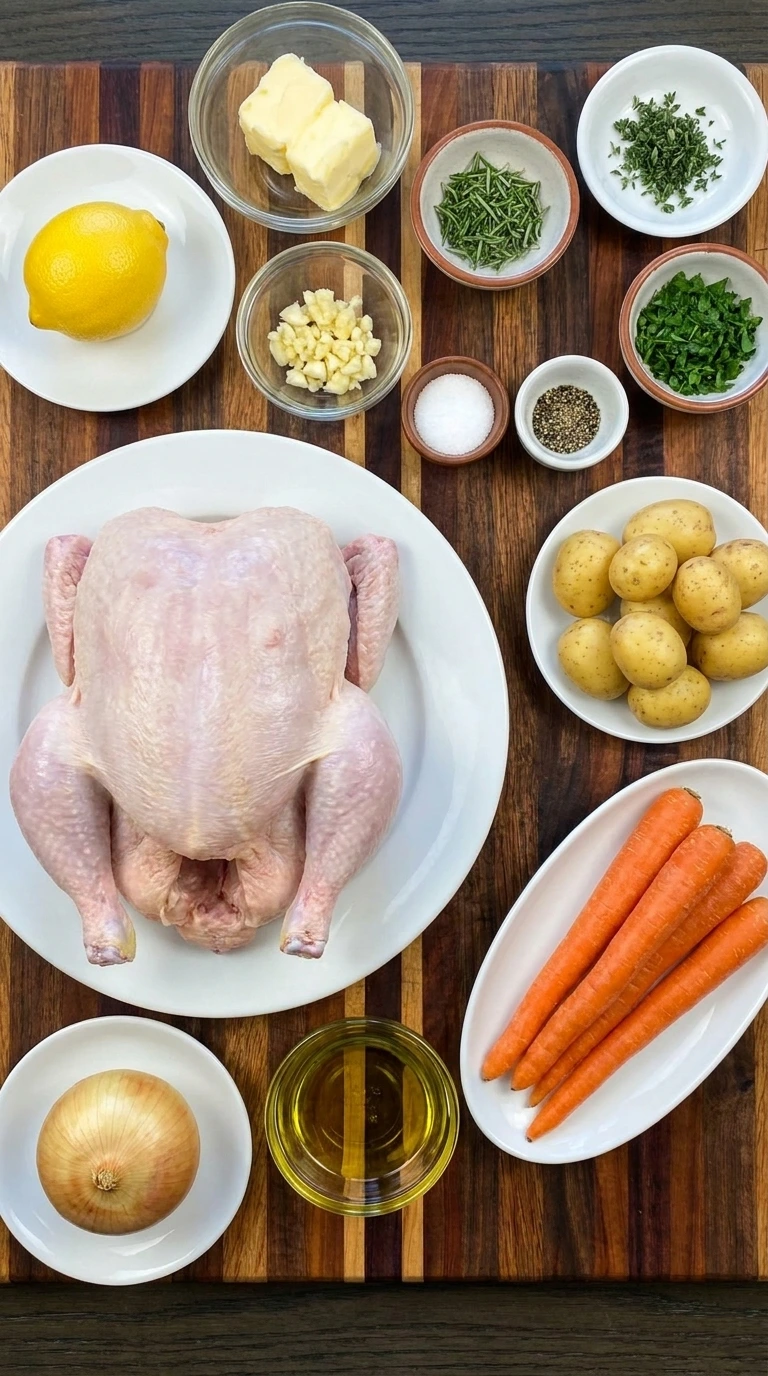
Here is what I use for this recipe :
- Whole chicken: Provides the centerpiece of the meal while the skin develops a golden roasted exterior and the meat stays juicy beneath the herb butter.
- Unsalted butter: Forms the rich base of the herb butter and helps the chicken skin brown while carrying garlic and herb flavors across the meat.
- Fresh rosemary: Adds a fragrant woodsy flavor that complements the chicken and vegetables throughout the roasting process.
- Fresh thyme: Provides a delicate earthy flavor that blends naturally with rosemary and garlic in the butter coating.
- Fresh parsley: Brightens the herb butter with a fresh flavor while the reserved portion adds color to the finished chicken and vegetables.
- Garlic: Adds savory aromatic depth to the butter and produces a flavorful roasted coating on the chicken.
- Lemon: Adds gentle citrus fragrance from inside the chicken cavity and balances the richness of the herb butter.
- Kosher salt: Seasons the chicken and vegetables while helping the natural flavors become more pronounced.
- Black pepper: Adds mild warmth and a savory finishing note to the butter coating and roasted vegetables.
- Baby potatoes: Provide tender golden pieces with lightly crisp edges that absorb the seasoned juices released during roasting.
- Carrots: Add natural sweetness and orange color while becoming tender and lightly caramelized in the oven.
- Yellow onion: Adds savory sweetness and soft roasted layers that complement the chicken and other vegetables.
- Olive oil: Coats the vegetables evenly to encourage browning and prevent dry edges during roasting.
Tools I Use :
- Large shallow roasting pan: Holds the whole chicken and surrounding vegetables while allowing hot air to circulate and encouraging even browning.
- Large mixing bowl: Provides enough space to toss the chopped potatoes and carrots and onion with olive oil and seasonings.
- Medium mixing bowl: Allows the softened butter to be combined thoroughly with garlic and fresh chopped herbs.
- Cutting board: Provides a stable area for cutting vegetables and carving the rested chicken.
- Sharp chef’s knife: Cuts the potatoes and carrots and onion into manageable roasting pieces and helps carve the finished chicken.
- Measuring spoons: Measure the herbs and butter and olive oil and seasonings accurately to keep flavors balanced.
- Silicone spatula or sturdy spoon: Blends the softened herb butter and helps spread the mixture evenly across the chicken.
- Instant-read meat thermometer: Checks the thickest parts of the chicken to confirm the meat reaches a safe internal temperature.
- Vegetable peeler: Removes the outer skin from carrots before they are sliced into thick roasting pieces.
- Large serving platter: Displays the finished whole chicken alongside the roasted vegetables before carving or serving.
- Aluminum foil: Protects areas of chicken skin that brown too quickly and can loosely cover the chicken during resting.
Instructions
Step 1: Halve the potatoes and cut the carrots and onion
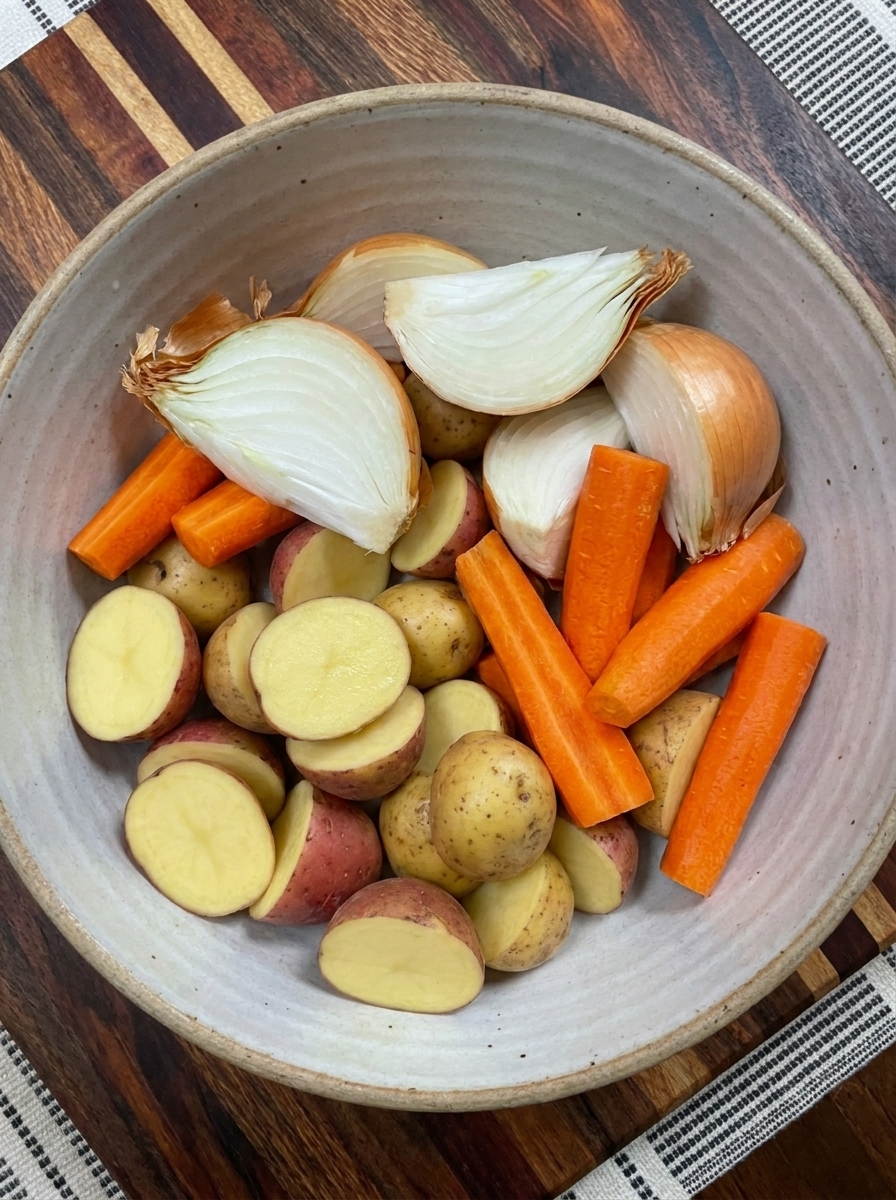
Start by preheating your oven to 425°F and preparing the vegetables that will roast alongside the chicken. Wash one pound of baby potatoes and cut each potato in half so the exposed sides can become golden and slightly crisp. Peel four medium carrots and slice them into thick diagonal pieces that are similar in thickness. Peel one large yellow onion and cut it into thick wedges while keeping some of the layers connected so they hold their shape during roasting. Place the chopped vegetables into a large mixing bowl. You should have uneven potato halves alongside chunky orange carrot pieces and layered onion wedges that are ready for seasoning.
Tip: Keep the carrot pieces fairly thick so they soften at about the same rate as the potatoes without becoming too soft.
Step 2: Mix the garlic and fresh herbs into softened butter
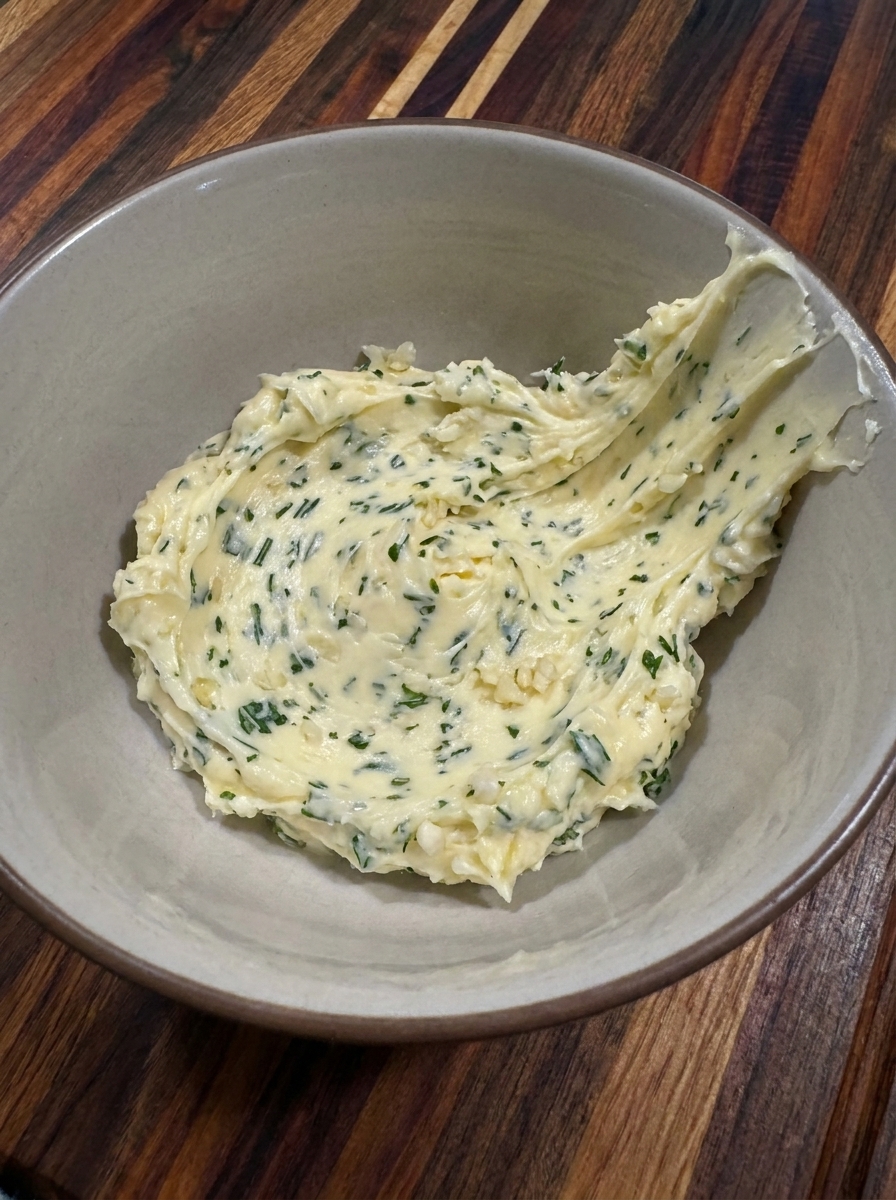
Add six tablespoons of softened unsalted butter to a medium mixing bowl. The butter should be soft enough to spread easily but not melted into a liquid. Finely chop the rosemary and thyme and one tablespoon of the parsley. Add these fresh herbs to the softened butter along with all six minced garlic cloves and one teaspoon of kosher salt and half a teaspoon of black pepper. Mash and stir everything together until the herbs and garlic are distributed throughout the butter. The mixture should look creamy and thick with visible green herb flecks and small irregular pieces of garlic.
Tip: Use softened butter rather than melted butter so it clings to the chicken skin and stays in place during seasoning.
Step 3: Rub herb butter over and beneath the chicken skin
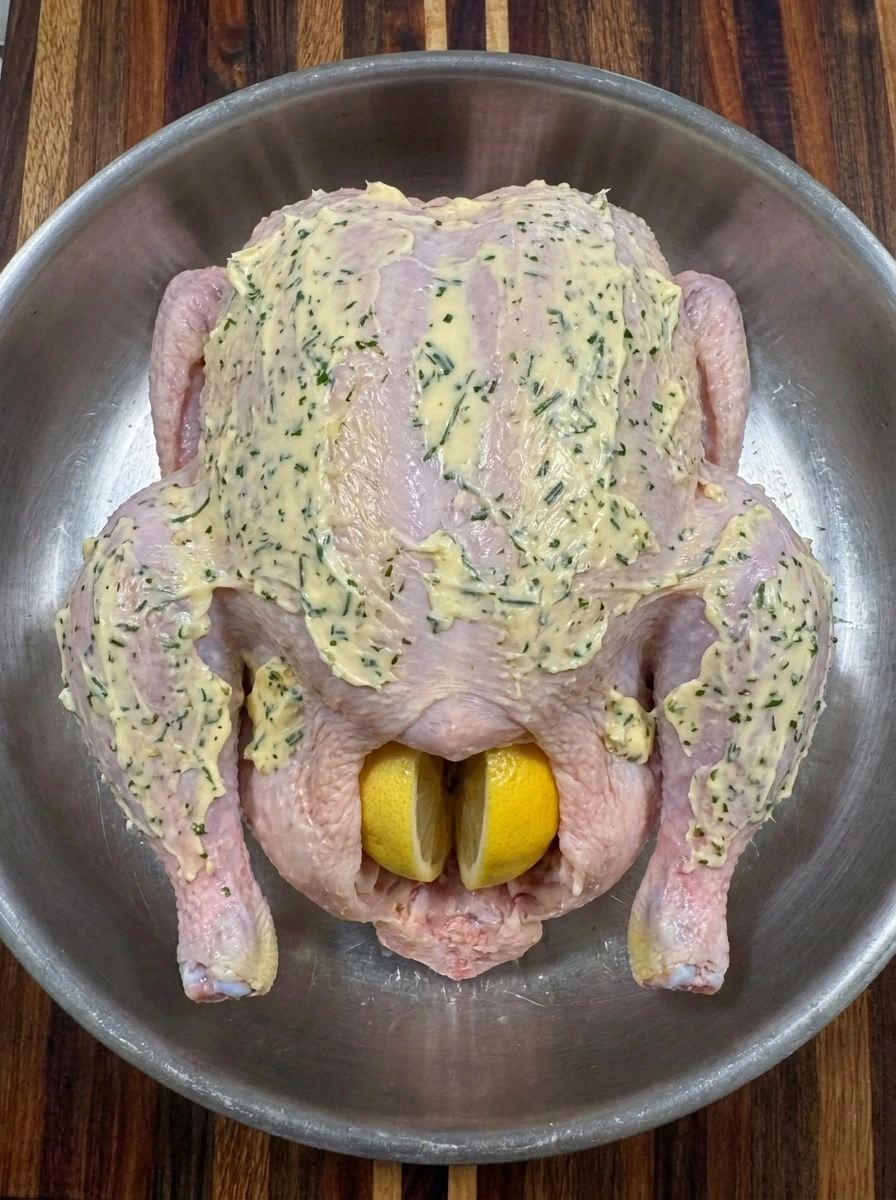
Remove any giblets from the cavity of the whole chicken and pat the chicken completely dry. Dry skin helps the butter adhere and gives the finished chicken a better chance of becoming golden and crisp. Carefully loosen the skin over the breast without tearing it. Spread about one third of the prepared herb butter beneath the skin and gently smooth the skin back over the meat. Rub the remaining butter over the outside of the chicken including the breast and legs and wings. Place both lemon halves inside the cavity so they release a gentle citrus fragrance during roasting. The raw chicken should now have an uneven coating of pale butter with clearly visible herbs.
Tip: Patting the chicken dry is important because excess surface moisture can prevent the skin from developing a crisp finish.
Step 4: Toss the vegetables and arrange them around the chicken
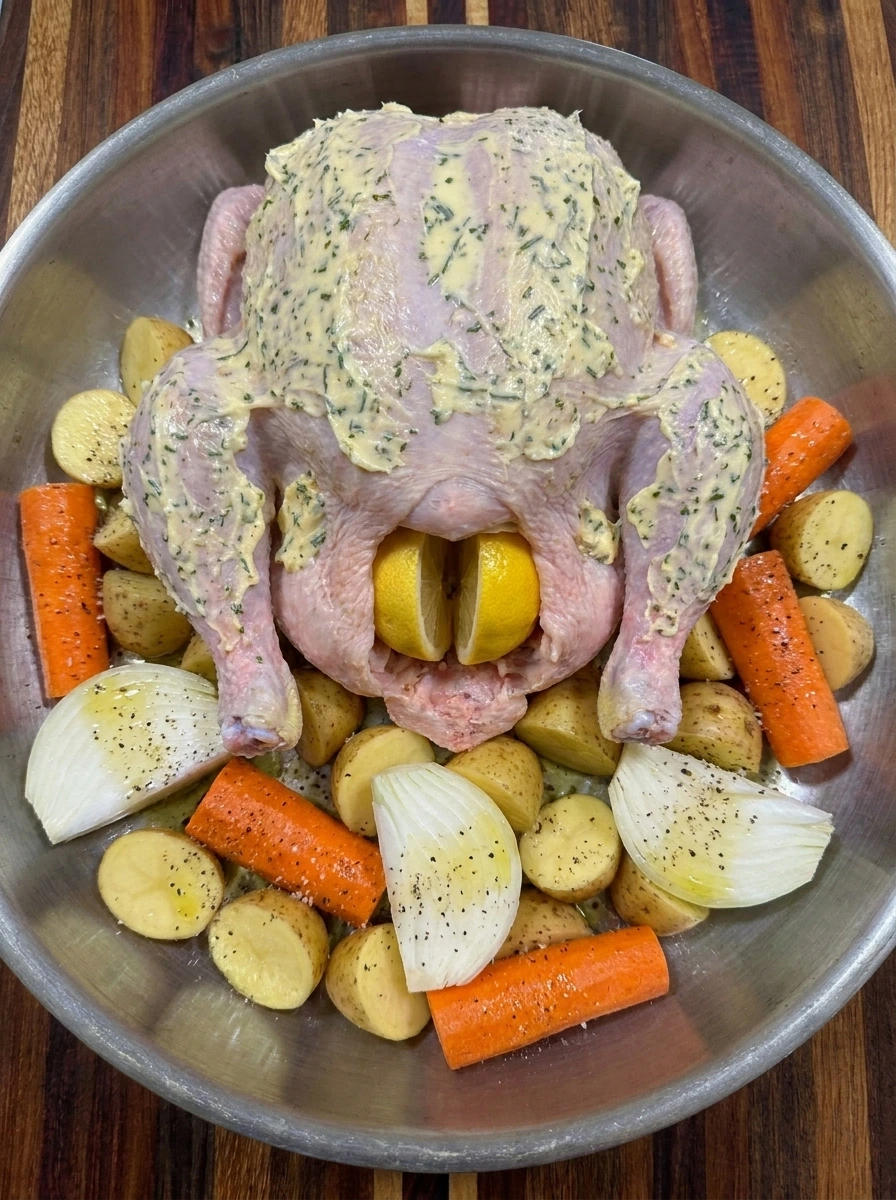
Add two tablespoons of olive oil and the remaining one teaspoon of kosher salt and half teaspoon of black pepper to the bowl of chopped vegetables. Toss until the potato halves and carrots and onion wedges have a light glossy coating. Arrange the seasoned vegetables around the butter-coated chicken in a large shallow roasting pan. Leave some breathing room between the larger pieces and keep the chicken positioned above the deepest layer of vegetables so it can brown properly. Slide the pan into the preheated oven and roast at 425°F. The chicken and vegetables should begin cooking together so the vegetables gradually absorb the rich seasoned juices that collect beneath the chicken.
Tip: Use a roasting pan large enough for the vegetables to spread loosely because crowded vegetables tend to steam instead of brown.
Step 5: Rotate the chicken and turn the vegetables during roasting
After approximately 40 minutes of roasting the chicken skin should begin changing from pale and buttery to lightly golden. The exposed potato edges should also show the first signs of browning while the carrot pieces begin to soften. Carefully remove the pan from the oven and turn the vegetables so their undersides can roast more evenly. Shift some of the potatoes toward the outside edges and move the softer onion wedges away from any especially hot spots. Rotate the roasting pan before returning it to the oven. The butter and chicken juices should be bubbling gently around the vegetables while a few darker golden patches develop across the chicken skin.
Tip: Turn the vegetables carefully and leave the chicken in one piece so the skin can continue browning without tearing.
Step 6: Roast until the chicken is golden and the vegetables are tender
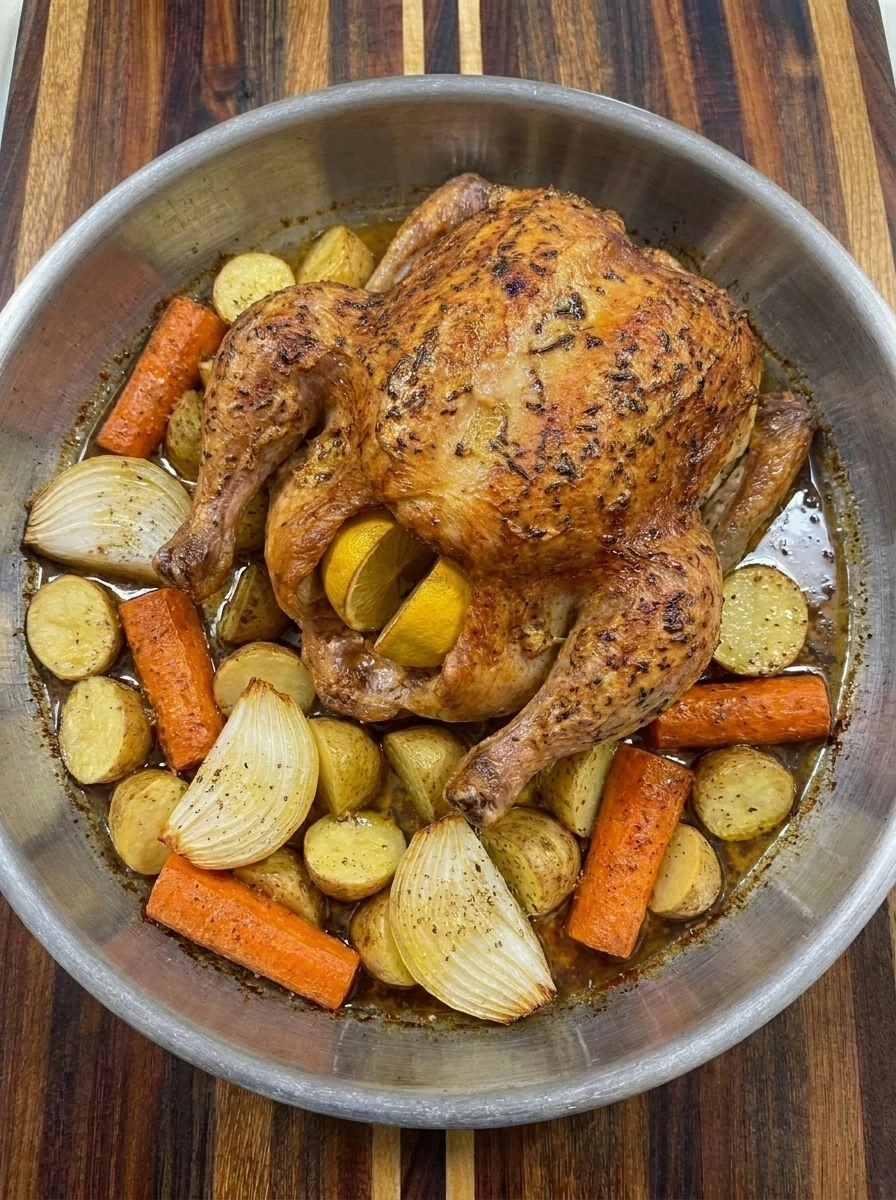
Continue roasting for approximately 35 to 55 additional minutes until the chicken skin develops a deep golden color with naturally darker roasted areas. The potatoes should have browned cut sides and soft interiors while the carrots should be tender and lightly caramelized. Check the thickest part of the breast with an instant-read thermometer without touching bone. The breast must reach at least 165°F and the thighs should also reach a safe temperature of at least 165°F although approximately 175°F often gives them a more tender texture. If the skin becomes too dark before the chicken finishes cooking then loosely cover the browning areas with foil. Once the chicken reaches a safe temperature remove the roasting pan from the oven and rest the chicken for 15 minutes before carving.
Tip: Check the chicken temperature instead of relying only on roasting time because whole chickens vary in size and oven performance.
Step 7: Carve the chicken and plate with roasted vegetables
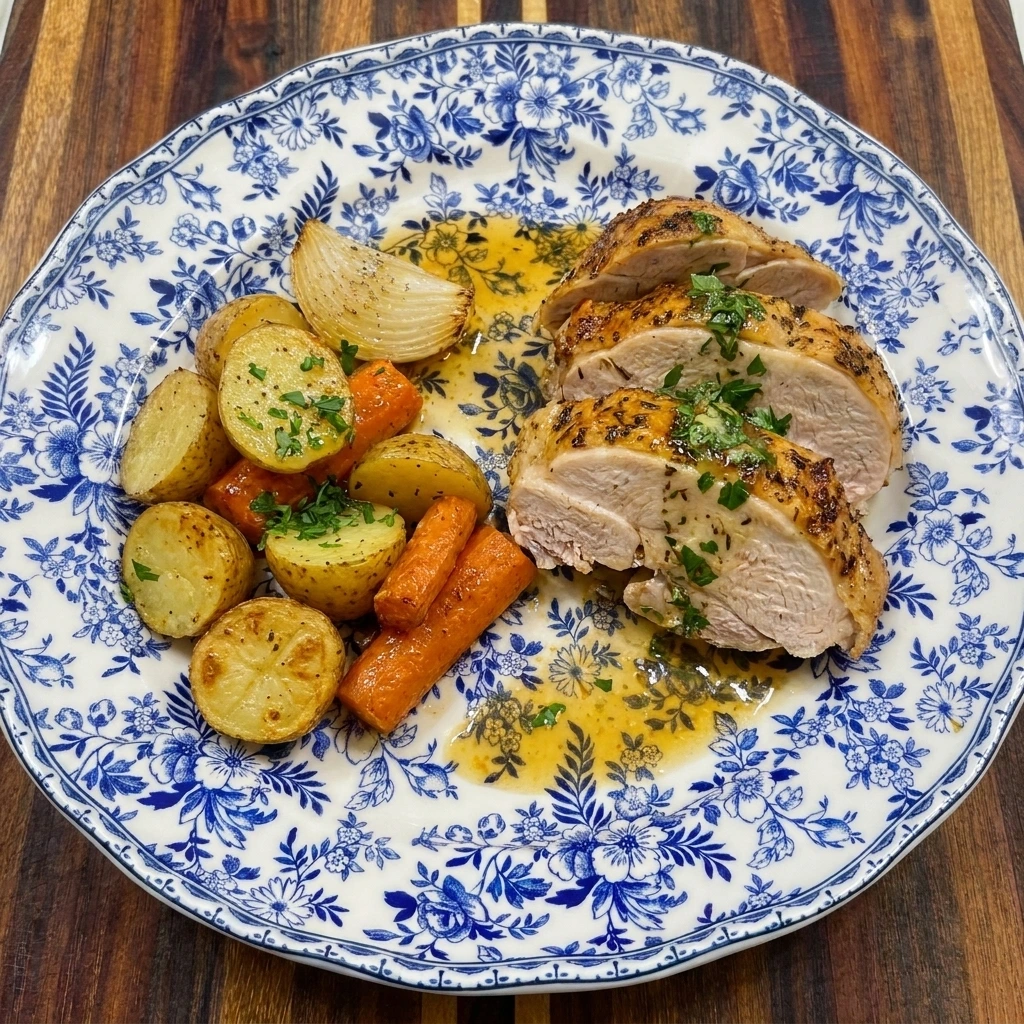
After the chicken has rested for 15 minutes transfer it to a carving board and cut the meat into serving portions. Begin by removing the legs and separating the thighs from the drumsticks before slicing the breast meat across the grain. Place one serving of sliced chicken breast and a few roasted vegetable pieces on a white dinner plate. Arrange the chicken so its juicy interior is visible and the golden skin stays attached to the upper surfaces of the slices. Spoon a small amount of warm pan juices over the chicken and vegetables and finish with a little of the reserved fresh parsley. The finished serving should look homemade with naturally uneven slices and crispy potato edges and tender carrots and soft onions.
Tip: Resting the chicken before carving helps retain moisture while a little warm pan juice adds flavor to the finished serving.
Pro Tips
- Dry the chicken skin thoroughly before adding the herb butter because removing moisture encourages better browning and crispness.
- Cut the potatoes and carrots into generous pieces so they become tender without falling apart during the longer roasting time.
- Spread some herb butter beneath the breast skin so the seasoning reaches the meat while the remaining butter flavors the outside.
- Use a meat thermometer to check doneness and let the chicken rest before carving so each slice stays tender and juicy.
Storage Instructions
Allow the leftover roast chicken and vegetables to cool slightly after serving and refrigerate them within two hours of cooking. Transfer the chicken and vegetables into shallow airtight containers so they chill quickly and remain protected from moisture loss. Store them in the refrigerator at 40°F or below for up to four days. For convenient meal prep lunches divide the cooked chicken and roasted vegetables into individual portions. Keep a little of the cooking juices with the chicken to help maintain moisture while refrigerated. If the chicken is still on the bone then remove the meat before packing portions for easier reheating.
To reheat the chicken and vegetables place them in an oven-safe dish and add a small splash of water or reserved cooking juices. Cover loosely with foil and warm in a 325°F oven until the chicken reaches an internal temperature of 165°F. Remove the foil near the end if you want the vegetable edges to regain some crispness. For longer storage remove the chicken meat from the bones and freeze it in airtight freezer-safe containers or bags for up to three months for best quality.
Roasted potatoes and carrots may also be frozen although their texture can become softer after thawing. Thaw frozen portions in the refrigerator and reheat thoroughly before serving. Leftover chicken is also delicious in sandwiches and wraps and grain bowls throughout the week. Use refrigerated leftovers within four days and discard any food that has remained at room temperature for more than two hours.
Frequently Asked Questions
Spread butter beneath the breast skin and check the internal temperature carefully before resting the chicken for 15 minutes.
You can chop the vegetables and mix the herb butter one day ahead then refrigerate everything separately until roasting.
Potatoes and carrots and onion are excellent because they roast well and absorb savory juices from the chicken.
Use a meat thermometer and verify that the thickest breast and thigh portions reach at least 165°F without touching bone.
See You in the Kitchen
I hope you enjoy all the recipes I share with you including this delicious Herb Butter Roast Chicken with Roasted Vegetables recipe and other family favorites like Boursin Cheese Dip and Slow Cooker Cranberry Meatballs.
I hope you try it and enjoy it and rate it and share it with your friends and family!
Print
Herb Butter Roast Chicken with Roasted Vegetables
- Total Time: 2 hours 5 minutes
- Yield: 4 servings
Description
This Herb Butter Roast Chicken with Roasted Vegetables is one of the best easy dinner ideas for a cozy family meal. A whole chicken gets coated in simple garlic herb butter before roasting alongside colorful potatoes and carrots and onions. The result is juicy chicken with golden crispy skin and healthy roasted vegetables full of savory flavor. It is a wonderful choice for a weeknight dinner or holiday gathering and the leftovers make quick meal prep lunches the next day.
Ingredients
- 1 whole chicken weighing approximately 4 pounds Whole chicken
- 6 tablespoons softened Unsalted butter
- 2 tablespoons finely chopped Fresh rosemary
- 1 tablespoon finely chopped Fresh thyme
- 2 tablespoons finely chopped and divided Fresh parsley
- 6 cloves minced Garlic
- 1 medium lemon halved Lemon
- 2 teaspoons divided Kosher salt
- 1 teaspoon freshly ground and divided Black pepper
- 1 pound halved Baby potatoes
- 4 medium carrots cut into thick diagonal pieces Carrots
- 1 large onion cut into thick wedges Yellow onion
- 2 tablespoons Olive oil
Instructions
- Start by preheating your oven to 425°F and preparing the vegetables that will roast alongside the chicken. Wash one pound of baby potatoes and cut each potato in half so the exposed sides can become golden and slightly crisp.
Peel four medium carrots and slice them into thick diagonal pieces that are similar in thickness. Peel one large yellow onion and cut it into thick wedges while keeping some of the layers connected so they hold their shape during roasting.
Place the chopped vegetables into a large mixing bowl. You should have uneven potato halves alongside chunky orange carrot pieces and layered onion wedges that are ready for seasoning.
- Add six tablespoons of softened unsalted butter to a medium mixing bowl. The butter should be soft enough to spread easily but not melted into a liquid.
Finely chop the rosemary and thyme and one tablespoon of the parsley. Add these fresh herbs to the softened butter along with all six minced garlic cloves and one teaspoon of kosher salt and half a teaspoon of black pepper.
Mash and stir everything together until the herbs and garlic are distributed throughout the butter. The mixture should look creamy and thick with visible green herb flecks and small irregular pieces of garlic.
- Remove any giblets from the cavity of the whole chicken and pat the chicken completely dry. Dry skin helps the butter adhere and gives the finished chicken a better chance of becoming golden and crisp.
Carefully loosen the skin over the breast without tearing it. Spread about one third of the prepared herb butter beneath the skin and gently smooth the skin back over the meat.
Rub the remaining butter over the outside of the chicken including the breast and legs and wings. Place both lemon halves inside the cavity so they release a gentle citrus fragrance during roasting. The raw chicken should now have an uneven coating of pale butter with clearly visible herbs.
- Add two tablespoons of olive oil and the remaining one teaspoon of kosher salt and half teaspoon of black pepper to the bowl of chopped vegetables. Toss until the potato halves and carrots and onion wedges have a light glossy coating.
Arrange the seasoned vegetables around the butter-coated chicken in a large shallow roasting pan. Leave some breathing room between the larger pieces and keep the chicken positioned above the deepest layer of vegetables so it can brown properly.
Slide the pan into the preheated oven and roast at 425°F. The chicken and vegetables should begin cooking together so the vegetables gradually absorb the rich seasoned juices that collect beneath the chicken.
- After approximately 40 minutes of roasting the chicken skin should begin changing from pale and buttery to lightly golden. The exposed potato edges should also show the first signs of browning while the carrot pieces begin to soften.
Carefully remove the pan from the oven and turn the vegetables so their undersides can roast more evenly. Shift some of the potatoes toward the outside edges and move the softer onion wedges away from any especially hot spots.
Rotate the roasting pan before returning it to the oven. The butter and chicken juices should be bubbling gently around the vegetables while a few darker golden patches develop across the chicken skin.
- Continue roasting for approximately 35 to 55 additional minutes until the chicken skin develops a deep golden color with naturally darker roasted areas. The potatoes should have browned cut sides and soft interiors while the carrots should be tender and lightly caramelized.
Check the thickest part of the breast with an instant-read thermometer without touching bone. The breast must reach at least 165°F and the thighs should also reach a safe temperature of at least 165°F although approximately 175°F often gives them a more tender texture.
If the skin becomes too dark before the chicken finishes cooking then loosely cover the browning areas with foil. Once the chicken reaches a safe temperature remove the roasting pan from the oven and rest the chicken for 15 minutes before carving.
- After the chicken has rested for 15 minutes transfer it to a carving board and cut the meat into serving portions. Begin by removing the legs and separating the thighs from the drumsticks before slicing the breast meat across the grain.
Place one serving of sliced chicken breast and a few roasted vegetable pieces on a white dinner plate. Arrange the chicken so its juicy interior is visible and the golden skin stays attached to the upper surfaces of the slices.
Spoon a small amount of warm pan juices over the chicken and vegetables and finish with a little of the reserved fresh parsley. The finished serving should look homemade with naturally uneven slices and crispy potato edges and tender carrots and soft onions.
Notes
Pro Tips:
- Dry the chicken skin thoroughly before adding the herb butter because removing moisture encourages better browning and crispness.
- Cut the potatoes and carrots into generous pieces so they become tender without falling apart during the longer roasting time.
- Spread some herb butter beneath the breast skin so the seasoning reaches the meat while the remaining butter flavors the outside.
- Use a meat thermometer to check doneness and let the chicken rest before carving so each slice stays tender and juicy.
Storage: Allow the leftover roast chicken and vegetables to cool slightly after serving and refrigerate them within two hours of cooking. Transfer the chicken and vegetables into shallow airtight containers so they chill quickly and remain protected from moisture loss. Store them in the refrigerator at 40°F or below for up to four days.
For convenient meal prep lunches divide the cooked chicken and roasted vegetables into individual portions. Keep a little of the cooking juices with the chicken to help maintain moisture while refrigerated. If the chicken is still on the bone then remove the meat before packing portions for easier reheating.
To reheat the chicken and vegetables place them in an oven-safe dish and add a small splash of water or reserved cooking juices. Cover loosely with foil and warm in a 325°F oven until the chicken reaches an internal temperature of 165°F. Remove the foil near the end if you want the vegetable edges to regain some crispness.
For longer storage remove the chicken meat from the bones and freeze it in airtight freezer-safe containers or bags for up to three months for best quality. Roasted potatoes and carrots may also be frozen although their texture can become softer after thawing. Thaw frozen portions in the refrigerator and reheat thoroughly before serving.
Leftover chicken is also delicious in sandwiches and wraps and grain bowls throughout the week. Use refrigerated leftovers within four days and discard any food that has remained at room temperature for more than two hours.
- Prep Time: 20 minutes
- Cook Time: 1 hour 30 minutes
- Category: Dinner
- Cuisine: American