

A favorite Korean barbecue spot serves one of the best beef bowls I have ever tasted and the meat is soft and juicy and so delicious with a sweet savory sauce and steamed rice and crisp vegetables. Today I will show how I make my Crockpot Korean BBQ Beef at home easily with ingredients that are simple to find. Just to know that my Crockpot Korean BBQ Beef turned out so delicious and so tender almost like the restaurant version and I really love this dish.
Also I tried the same cooking method with chicken and the result was even lighter. For another comforting meal with rich tomato flavor you can try our Tomato Braised Fish. Usually Korean barbecue beef is enjoyed for a relaxed dinner with family and it is so satisfying.
I recommend anyone to enjoy it and when dining out is not possible you can try my recipe. Also for my recipe I use a slow cooker for cooking and I recommend letting the beef cook gently until it becomes tender. Simply coat the sliced beef with the sauce and cook it until the meat softens and the sauce turns glossy.
Ingredients

Here is what I use for this recipe and you can adjust nuts or spices based on preference:
- Beef chuck roast: Provides rich beef flavor and enough marbling to become tender during slow cooking.
- Low sodium soy sauce: Builds the salty savory base of the Korean barbecue sauce while allowing better sodium control.
- Brown sugar: Balances the soy sauce and helps the finished sauce become glossy and lightly caramelized.
- Asian pear: Adds gentle sweetness and natural enzymes that help tenderize the beef.
- Garlic: Creates a strong aromatic backbone that deepens as the beef cooks.
- Fresh ginger: Adds warm sharp flavor that keeps the sweet sauce balanced.
- Toasted sesame oil: Adds concentrated nutty aroma that gives the sauce a classic Korean inspired character.
- Rice vinegar: Provides mild acidity that brightens the rich beef and sweet sauce.
- Gochujang: Adds gentle heat and fermented depth without making the dish overwhelmingly spicy.
- Yellow onion: Softens beneath the beef and adds natural sweetness to the cooking liquid.
- Cornstarch: Thickens the cooking juices into a sauce that clings to every piece of beef.
- Water: Combines with cornstarch to form a smooth slurry without lumps.
- Cooked white rice: Creates a neutral base that absorbs the sweet savory sauce for serving.
- Carrot: Adds fresh crunch and bright color to the finished bowls.
- Cucumber: Adds cool crisp contrast to the warm tender beef.
- Green onions: Provide a fresh onion finish and a casual garnish for the plated dish.
- Sesame seeds: Add light crunch and a toasted nutty finish to the completed bowls.
Tools You’ll Need
- Slow cooker: Cooks the beef gently over several hours so the chuck becomes tender while the sauce develops.
- Mixing bowl: Combines the soy sauce and pear and aromatics into one evenly seasoned barbecue sauce.
- Chef knife: Slices the beef and vegetables into practical pieces with natural variation.
- Cutting board: Provides a stable surface for slicing the beef and fresh vegetables.
- Measuring cups and spoons: Portion the sauce ingredients and thickening slurry accurately.
- Small bowl: Mixes the cornstarch and water into a lump free slurry before thickening.
Instructions
Step 1: Slice the beef and onion
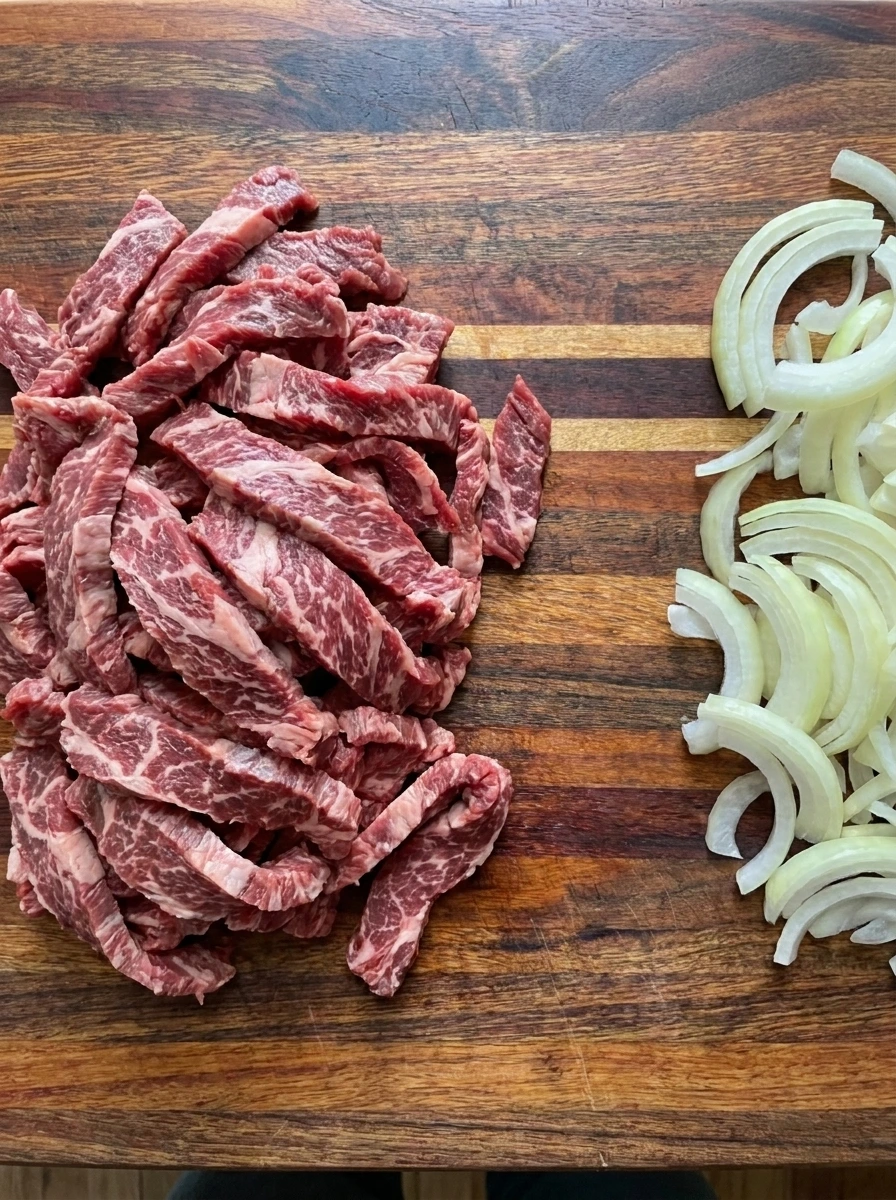
Cut the two pounds of beef chuck into irregular thin strips and slice the onion into uneven curved pieces. The beef changes from one solid roast into flexible pieces with varied edges and natural size differences. Keep the beef loosely piled while the onion rests beside it so the two ingredients remain visibly separate before coating.
Tip: Slice across the grain so the cooked beef pulls apart easily and stays tender instead of becoming long and chewy.
Step 2: Whisk the Korean barbecue sauce

Combine the soy sauce with brown sugar and grated pear and garlic and ginger and sesame oil and rice vinegar and gochujang. The separate liquids and seasonings become one dark reddish brown sauce with tiny visible bits of pear and aromatics. The sauce should look slightly uneven rather than perfectly smooth because the fresh ingredients remain suspended throughout.
Tip: Mix until the sugar mostly dissolves so the sauce spreads evenly while the fresh pear and aromatics remain visible.
Step 3: Layer the beef with onion and sauce
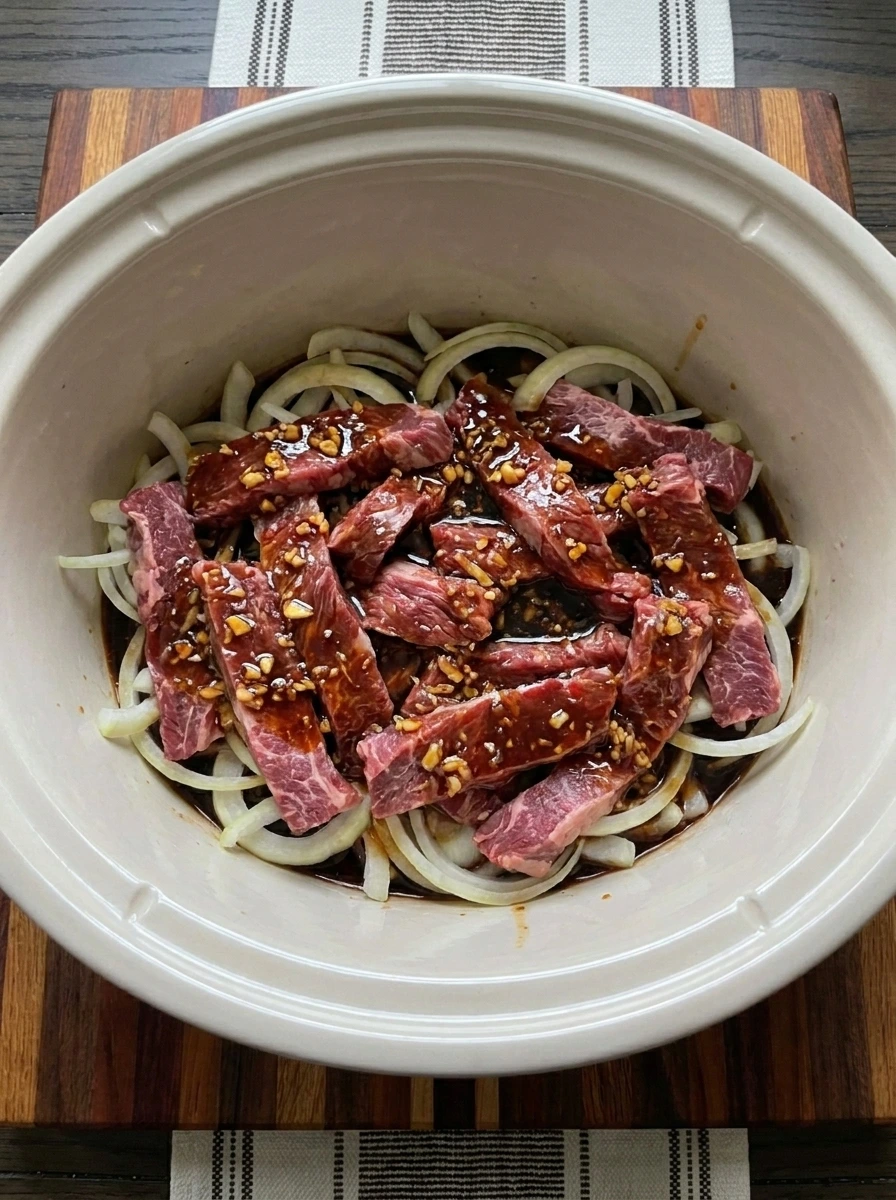
Spread the sliced onion unevenly across the bottom and place the two pounds of beef over it in loose overlapping folds. Pour the dark sauce over the beef so some surfaces are coated while a few edges remain visible. The ingredients change from separate piles into a layered mixture with sauce collecting between the strips and around the onion.
Tip: Avoid packing the beef tightly because loose layers allow the sauce to move around the strips and cook them evenly.
Step 4: Slow cook until the beef is tender
Cook the layered beef until the strips soften and darken from red to deep brown while the onion collapses into the cooking juices. The pieces shift and curl as they become tender and the sauce turns thinner from released moisture. Stir once near the end so several pieces flip and the softened onion moves from the edges toward the center.
Tip: Stop cooking when the beef is fork tender because extra time can break the strips down too far and make them dry.
Step 5: Thicken the sauce around the beef

Stir the cornstarch and water together and fold the slurry into the hot cooking liquid. The thin juices change into a glossy sauce that clings to the beef and gathers in thick ribbons between the pieces. As the mixture thickens the beef shifts into loose clusters and the onion becomes partly hidden within the sauce while irregular edges remain visible.
Tip: Add the slurry gradually and stir gently so the tender beef stays in pieces while the sauce thickens without lumps.
Step 6: Serve the beef over rice

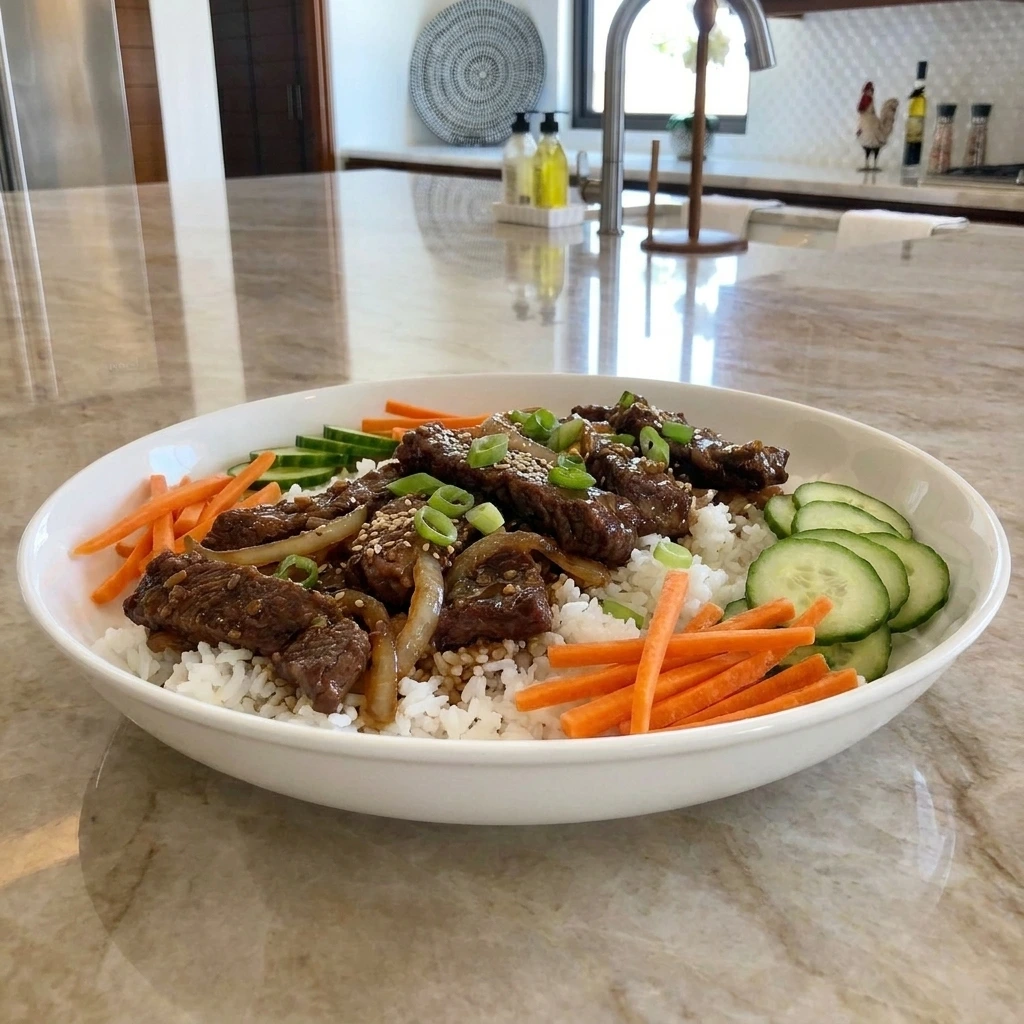
Spoon one cup of cooked white rice onto a white plate and add one quarter of the glazed beef beside and partly over the rice. Place uneven carrot matchsticks and cucumber slices along one side then scatter green onions and sesame seeds across the beef. The finished portion shows tender browned beef with a non-uniform glossy coating and natural sauce drips plus crisp vegetables arranged casually rather than symmetrically.
Tip: Keep the fresh vegetables mostly beside the hot beef so they stay crisp while still catching a little of the sauce.
Pro Tips
- Slice the beef across the grain into similar but not identical strips so every piece becomes tender while keeping a homemade texture.
- Use low sodium soy sauce because the liquid reduces slightly and regular soy sauce can make the finished beef taste overly salty.
- Grated Asian pear adds sweetness and helps tenderize the beef while leaving tiny fruit pieces that melt naturally into the sauce.
- Add the cornstarch slurry only after the beef is tender so the sauce thickens smoothly without sticking during the long cook.
Storage Instructions
Let the cooked beef cool until it is no longer steaming and then transfer it with plenty of sauce into a sealed container. Refrigerate it for up to four days and keep the rice and fresh vegetables in separate containers so their textures stay pleasant. For freezing divide the cooled beef and sauce into meal sized portions and leave a little space for expansion.
Freeze for up to three months and label each container with the date so older portions are used first. Thaw frozen beef overnight in the refrigerator. Reheat it gently until steaming and add a small splash of water when the sauce looks too thick. Store cucumber and carrot separately and add them only after reheating. This keeps the vegetables crisp and prevents extra moisture from thinning the sauce.
Frequently Asked Questions
Yes and the flavor improves overnight. Cool it fully then refrigerate it in a sealed container for up to four days.
Chuck roast works best because its marbling softens during slow cooking and keeps the beef tender and flavorful.
It has mild warmth from gochujang. Reduce it by half for less heat or add more for a stronger spicy finish.
Yes and it freezes well for up to three months. Thaw it overnight then reheat gently with a splash of water.
See You in the Kitchen
I hope you try this Crockpot Korean BBQ Beef soon because it is a simple recipe that looks beautiful and tastes incredible and makes a weeknight dinner a little more special.
Do not forget to share your results or save this recipe for later because it is one worth keeping and you can serve Cheesy Garlic Bread Dippers beside it or finish with Pumpkin Cheesecake Brownies.
Print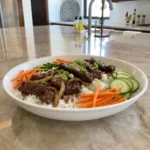
Crockpot Korean BBQ Beef
- Total Time: 4 hours 20 minutes
- Yield: 4 servings
Description
Crockpot Korean BBQ Beef is an easy dinner with tender beef and a glossy sweet savory sauce that tastes like the best takeout at home. This quick prep and simple slow cooker method creates healthy meal ideas for a busy weeknight dinner and dependable meal prep. Serve it with rice and crisp vegetables for a comforting bowl that also works for a casual party or potluck when you need bold flavor with very little hands on work. It is warm filling and family friendly.
Ingredients
- 2 pounds Beef chuck roast
- 1/2 cup Low sodium soy sauce
- 1/3 cup packed Brown sugar
- 1/2 medium grated Asian pear
- 5 cloves minced Garlic
- 1 tablespoon grated Fresh ginger
- 1 tablespoon Toasted sesame oil
- 1 tablespoon Rice vinegar
- 1 tablespoon Gochujang
- 1 medium thinly sliced Yellow onion
- 2 tablespoons Cornstarch
- 2 tablespoons Water
- 4 cups Cooked white rice
- 1 medium cut into thin matchsticks Carrot
- 1 small thinly sliced Cucumber
- 3 thinly sliced Green onions
- 2 teaspoons Sesame seeds
Instructions
- Cut the two pounds of beef chuck into irregular thin strips and slice the onion into uneven curved pieces. The beef changes from one solid roast into flexible pieces with varied edges and natural size differences. Keep the beef loosely piled while the onion rests beside it so the two ingredients remain visibly separate before coating.
- Combine the soy sauce with brown sugar and grated pear and garlic and ginger and sesame oil and rice vinegar and gochujang. The separate liquids and seasonings become one dark reddish brown sauce with tiny visible bits of pear and aromatics. The sauce should look slightly uneven rather than perfectly smooth because the fresh ingredients remain suspended throughout.
- Spread the sliced onion unevenly across the bottom and place the two pounds of beef over it in loose overlapping folds. Pour the dark sauce over the beef so some surfaces are coated while a few edges remain visible. The ingredients change from separate piles into a layered mixture with sauce collecting between the strips and around the onion.
- Cook the layered beef until the strips soften and darken from red to deep brown while the onion collapses into the cooking juices. The pieces shift and curl as they become tender and the sauce turns thinner from released moisture. Stir once near the end so several pieces flip and the softened onion moves from the edges toward the center.
- Stir the cornstarch and water together and fold the slurry into the hot cooking liquid. The thin juices change into a glossy sauce that clings to the beef and gathers in thick ribbons between the pieces. As the mixture thickens the beef shifts into loose clusters and the onion becomes partly hidden within the sauce while irregular edges remain visible.
- Spoon one cup of cooked white rice onto a white plate and add one quarter of the glazed beef beside and partly over the rice. Place uneven carrot matchsticks and cucumber slices along one side then scatter green onions and sesame seeds across the beef. The finished portion shows tender browned beef with a non-uniform glossy coating and natural sauce drips plus crisp vegetables arranged casually rather than symmetrically.
Notes
Pro Tips:
- Slice the beef across the grain into similar but not identical strips so every piece becomes tender while keeping a homemade texture.
- Use low sodium soy sauce because the liquid reduces slightly and regular soy sauce can make the finished beef taste overly salty.
- Grated Asian pear adds sweetness and helps tenderize the beef while leaving tiny fruit pieces that melt naturally into the sauce.
- Add the cornstarch slurry only after the beef is tender so the sauce thickens smoothly without sticking during the long cook.
Storage: Let the cooked beef cool until it is no longer steaming and then transfer it with plenty of sauce into a sealed container. Refrigerate it for up to four days and keep the rice and fresh vegetables in separate containers so their textures stay pleasant. For freezing divide the cooled beef and sauce into meal sized portions and leave a little space for expansion. Freeze for up to three months and label each container with the date so older portions are used first. Thaw frozen beef overnight in the refrigerator. Reheat it gently until steaming and add a small splash of water when the sauce looks too thick. Store cucumber and carrot separately and add them only after reheating. This keeps the vegetables crisp and prevents extra moisture from thinning the sauce.
- Prep Time: 20 minutes
- Cook Time: 4 hours
- Category: Dinner
- Cuisine: Korean inspired